

Hiring a roofing contractor is one of the most significant home improvement decisions a homeowner makes. The stakes are high, the industry is crowded, and most people have no frame of reference for what separates a quality contractor from one who will cause problems down the road.
Most homeowners ask about price. Some ask about timeline. Very few ask the questions that actually reveal whether a contractor is worth trusting with their home.
This guide covers those questions — the ones most people don’t think to ask until after something goes wrong. It also covers what honest, confident answers sound like, so you know what you’re listening for.
Rhino Roofs welcomes every one of these questions. In fact, if a contractor seems annoyed when you ask them, that tells you something important.
Before You Ask Anything: Get at Least Three Estimates
This isn’t a question, but it’s the most important step before the conversation begins. Never make a roofing decision based on a single estimate. Three estimates give you a baseline for price, expose inconsistencies in scope, and give you three separate conversations to compare. You’re not just shopping for price. You’re evaluating communication, honesty, and whether each contractor is actually looking at the same project.
Once you have estimates in hand, here are the questions that matter.
Questions About Licensing and Insurance
1. “Are you licensed to perform roofing work in Florida, and can I verify it?”
This is the most basic question, and it’s still the one most homeowners skip. Florida requires roofing contractors to hold a state-issued license through the Department of Business and Professional Regulation. An active license means the contractor has passed a competency exam, maintains required insurance, and is subject to state oversight and disciplinary action if they cut corners.
Ask for the license number and verify it yourself at the Florida DBPR website. This takes about 60 seconds and confirms the license is active, not expired or suspended. Never rely on a license card a contractor hands you without cross-referencing it independently.
A contractor who is confident in their standing will give you this information immediately. One who hedges, offers excuses, or gets defensive is showing you something worth paying attention to.
2. “Do you carry general liability insurance and workers’ compensation — and can I see the certificates?”
This question protects you from two different scenarios. General liability insurance covers damage to your property that occurs during the project. Workers’ compensation insurance covers crew members if they are injured on your roof.
Without workers’ compensation coverage, an injured worker could pursue a claim against your homeowner’s insurance or file a lawsuit naming you as a property owner. This is not a theoretical risk. It happens.
Ask for certificates of insurance directly, not a verbal confirmation. The certificate should show coverage amounts and an active policy period. Some homeowners go a step further and call the insurance carrier listed to confirm the policy is in force. That level of diligence is completely reasonable for a project of this size.
Questions About the Project Itself
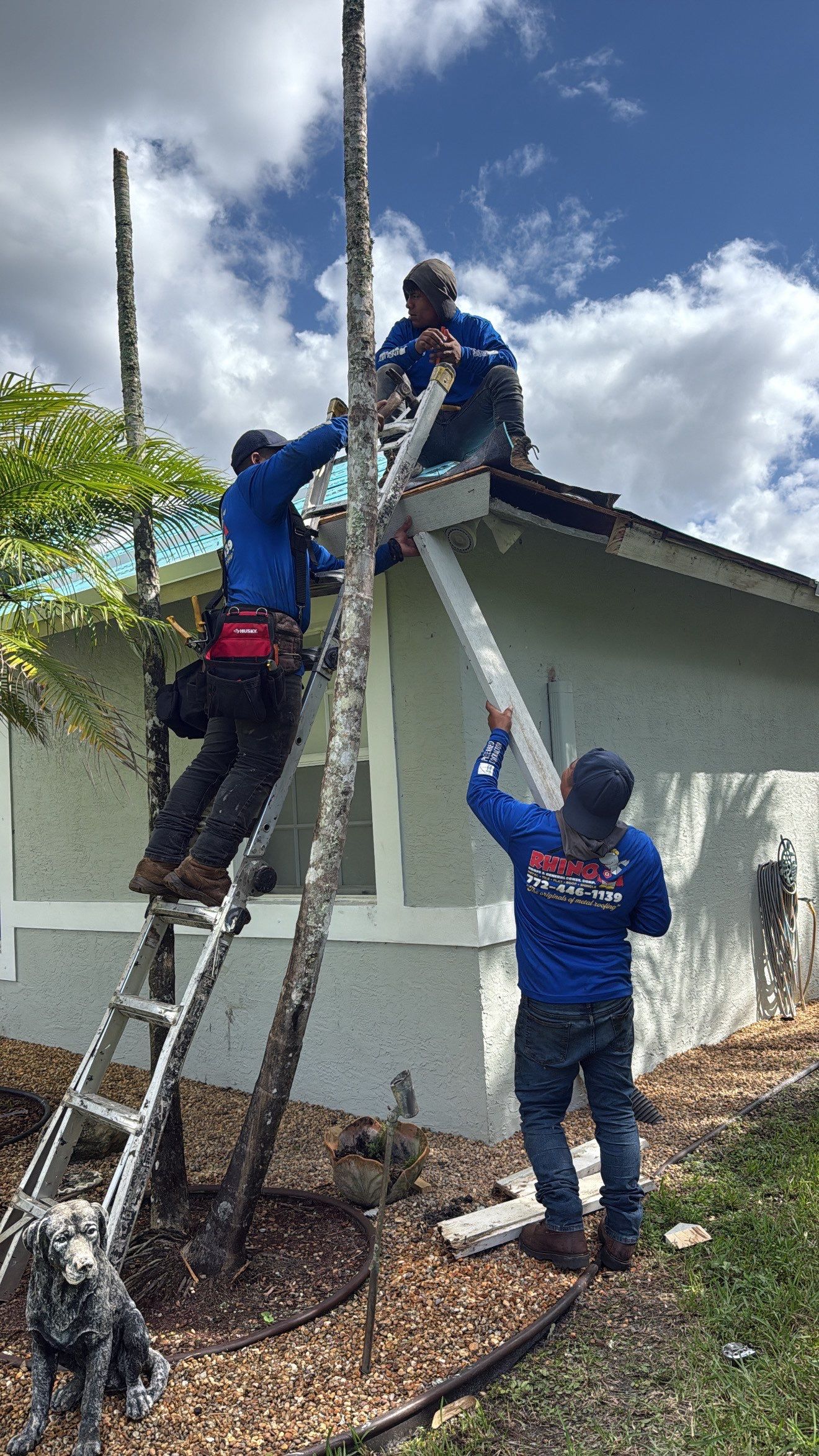
3. “Do you have installation crews you work with regularly, or do you find a crew after the contract is signed?”
This question catches many contractors off guard, and the answer tells you more about how your project will actually go than almost anything else on this list.
Most roofing companies work with installation crews rather than performing every job with in-house labor. That’s normal for the industry. What matters is whether the contractor has an established relationship with a crew they use regularly, or whether they go looking for a crew once your contract is signed. A company scrambling to line up a crew after the fact has less control over quality, less insight into that crew’s track record, and less leverage to hold them accountable if something goes wrong.
A company with established, trusted crews can tell you how long they’ve worked together, how many projects that crew has completed, and how quality is monitored on the job site. That kind of specificity is a good sign. When you ask this question, listen for clarity and confidence. A vague answer, or one that suggests crew selection happens on a job-by-job basis, is worth probing further.
4. “Will you be pulling the permit, and how do you handle the inspection process?”
In Florida, a licensed contractor is required to pull the permit for any full roof replacement. This is not optional and not a formality. A permit ensures the installation is inspected by a licensed county official, which is the homeowner’s primary protection against substandard work.
If a contractor suggests you pull the permit yourself, this is a red flag. It often signals they are not properly licensed to pull permits in your county, or they are trying to avoid having their work inspected. Either scenario is a problem.
Ask who specifically submits the permit, how long approval typically takes in your county, and how the final inspection is scheduled. A contractor who handles dozens of these projects annually will have straightforward, specific answers. For more on what the permit process actually looks like, see our breakdown of how long a roof replacement takes in South Florida.
5. “What happens if you find rotted decking or damaged wood when you start the tear-off?”
This is one of the most important questions on this list, and very few homeowners think to ask it before signing.
Decking damage is common, especially on older roofs or homes with a history of leaks. The problem is that you don’t know how much is damaged until the old roofing material is removed. This creates an opportunity for two very different contractor behaviors.
A trustworthy contractor will have a clear, pre-agreed process. They’ll tell you the per-sheet cost for decking replacement, show you the damage before covering it, and get your approval before proceeding with repairs. Some contractors include a set number of decking sheets in their base estimate.
A less trustworthy contractor might leave this deliberately vague, then present a substantial additional charge once your roof is already exposed and you have no leverage. Ask this question before you sign anything, and make sure the answer is in writing in your contract.
6. “What materials are you using, and why are they right for my roof?”
A specific answer here is a good sign. The contractor should be able to tell you the manufacturer, product line, and specifications for every major material component: the shingles or tile or metal panels, the underlayment, the ridge cap, and the flashing.
In Florida, underlayment selection is particularly important. High-velocity hurricane zone requirements dictate specific underlayment systems for tile roofs, and a contractor who knows the code will speak to this naturally. If a contractor gives you vague answers like “standard materials” or seems uncertain about what they’re installing, that’s worth noting.
This question also gives you the opportunity to compare apples to apples across your estimates. Two quotes that look similar in price may be using significantly different material specifications.
7. “When are the metal roofing materials ordered, and where do they come from?”
If you’re considering a metal roof, this question is worth asking directly, and most homeowners never think to. Many contractors order metal panels from a third-party supplier once a contract is signed, which means your timeline depends on that supplier’s production schedule and shipping. If there’s a backlog, your installation waits.
Rhino Roofs manufactures its own metal roofing panels and accessories. Because production happens in-house, fabrication can often get underway while your permit is still being processed, rather than after. That overlap is one of the reasons Rhino is able to move from permit approval to installation without the delays that come from waiting on outside suppliers.
Questions About Warranties and What Happens After
8. “What does your workmanship warranty cover, and how long does it last?”
There are two warranties that matter in roofing: the manufacturer’s material warranty and the contractor’s workmanship warranty. Most homeowners only ask about one.
The manufacturer’s warranty covers defective materials. If a shingle fails because of a manufacturing defect, the manufacturer covers replacement. This warranty typically ranges from 20 years to a lifetime depending on the product tier.
The workmanship warranty is entirely separate. It covers installation errors, meaning leaks or failures caused by how the roof was installed rather than the materials themselves. This warranty comes from the contractor, not the manufacturer, and its duration and terms vary widely. Industry-standard workmanship warranties range from two to ten years. Some premium contractors offer longer coverage.
Rhino Roofs offers a 15-year workmanship warranty, well beyond the industry standard, because we stand behind our installations long after the job is finished.
Get both warranties in writing before the job begins. Ask specifically: what is covered, what voids the warranty, and who do you contact to make a claim?
9. “How do I reach someone if I have a problem after the job is done?”
This question reveals more about a company’s accountability than almost anything else. Ask for a specific contact person, a direct phone number, and what the process is for reporting a warranty claim or a concern about the installation.
Some contractors are exceptionally responsive during the sales process and go quiet after the final payment is made. Asking this question upfront signals that you expect accountability to continue after the job, and gives you a chance to evaluate the answer before you’re in a position where you actually need it.
Questions About the Business Itself
10. “How long have you been operating in this area, and do you have local references?”
Longevity in a local market matters for two reasons. First, it means the contractor has a track record in your specific region, including familiarity with local permitting requirements, building codes, and weather conditions. Second, it means they have a reputation to protect. A company that has operated in Palm Beach County or the Treasure Coast for years has invested in that community and has more at stake than a transient operation.
Local references are more valuable than a generic online review. A contractor who can connect you with homeowners in your area who had similar projects completed within the past year is demonstrating real accountability. Call those references. Ask about communication, how problems were handled, and whether they’d hire the same company again.
11. “What does your cleanup process look like?”
This question sounds mundane. The answer isn’t.
A full roof tear-off generates a significant amount of debris: old shingles, nails, underlayment, and packaging materials. How a crew manages that debris during and after the job tells you a lot about their standards and their respect for your property. The answer should include magnetic nail sweeping of the lawn and driveway (nails that miss a dumpster can damage tires and injure pets and children), staging of materials to protect landscaping and driveways, and same-day or next-day haul-off of all debris.
If cleanup is mentioned as an afterthought or with vague language, follow up. This is worth being specific about before work begins.
Questions About the Estimate Itself
12. “Can you walk me through each line item in this estimate?”
A complete, itemized estimate is a basic professional standard. It should break out material costs, labor, permit fees, decking allowances, and any other anticipated line items separately. An estimate that presents a single total number with no breakdown is a yellow flag.
Asking a contractor to walk you through the estimate serves two purposes. It gives you a full understanding of what you’re paying for, and it tests whether the contractor can explain their own pricing clearly. Confidence and specificity in this conversation is a good indicator of the same qualities during the project itself.
13. “Is there anything about my roof that could change the scope or price once you start?”
This is the question that separates contractors who are upfront from those who rely on scope creep to pad their margins. Ask it directly and listen carefully.
A trustworthy answer names real possibilities — decking damage, deteriorated flashing, issues discovered during tear-off — and explains how those scenarios are handled contractually. A contractor who assures you there will be no surprises without providing any specifics may not be paying close enough attention to your roof, or may be setting expectations they don’t intend to keep.
What Confident, Honest Answers Sound Like
When you ask a quality contractor these questions, the answers should come easily. They’ve heard them before. They have processes in place. They know their license number, their insurance carrier, the name of their crew lead, and what their workmanship warranty covers because these are the foundations of their business.
You should not have to push for basic information. If a contractor becomes evasive, dismissive, or impatient when you ask legitimate questions about a significant home investment, the answer to your most important question is already in front of you.
Rhino Roofs works with homeowners across Palm Beach County and the Treasure Coast who want a roof replacement or storm damage repair completed with full transparency from the first conversation to the final inspection. We answer every question on this list because we believe an informed homeowner is the best kind of customer.
Frequently Asked Questions
What questions should I ask a roofing contractor before hiring them?
The most important questions include: Are you licensed and insured in Florida? Will you pull the permit? Who is the actual crew doing the work? What does your workmanship warranty cover? How do you handle decking damage found during tear-off? Who do I contact if something goes wrong after the job is done? These questions reveal far more about a contractor than price alone.
How do I verify a roofing contractor’s license in Florida?
Verify any Florida roofing contractor’s license through the Florida Department of Business and Professional Regulation at myfloridalicense.com. Search by company name or license number and confirm the license is active, not expired or under disciplinary action. Always verify independently rather than relying on a license card the contractor provides.
What is a workmanship warranty in roofing?
A workmanship warranty is a guarantee from the contractor covering defects in how the roof was installed. If a leak occurs because of an installation error, the contractor returns and fixes it at no charge. This is separate from the manufacturer’s material warranty, which only covers defective products. Get both in writing before work begins.
Should a roofer pull the permit or should I?
The contractor should always pull the permit for a roof replacement in Florida. If a contractor asks you to pull it yourself or suggests skipping the permit entirely, do not hire them. Unpermitted roofing work can void your homeowner’s insurance coverage and create complications when selling your home.
How do I know if a roofing contractor has a reliable installation crew?
Ask directly: “Do you have installation crews you work with regularly, or do you find a crew after the contract is signed?” A trustworthy contractor will be able to speak to how long they’ve worked with their crews and how many projects that crew has completed. The key concern is accountability — you need to know the crew on your roof has a track record and isn’t being assembled on the fly.
What should I look for in a roofing estimate before signing?
A complete roofing estimate should specify the material brand and product line, decking inspection and replacement terms, underlayment type, manufacturer and workmanship warranty details, permit responsibilities, cleanup and haul-off terms, and a clear payment schedule. If any of these elements are missing or vague, request them in writing before signing.
One Final Thought
Asking these questions is not about being difficult. It’s about doing what any careful homeowner should do before writing a check for a project that will protect their home for the next 20 to 30 years. A contractor who is worth hiring will respect you more for asking.
If you’re in the process of evaluating contractors in South Florida or the Treasure Coast and want to put these questions to us directly, contact the Rhino Roofs team. We’ll answer every one of them — and probably a few you haven’t thought to ask yet.