
How to Find a Roof Leak: Where Water Really Enters (and What to Do Before the Roofer Arrives)
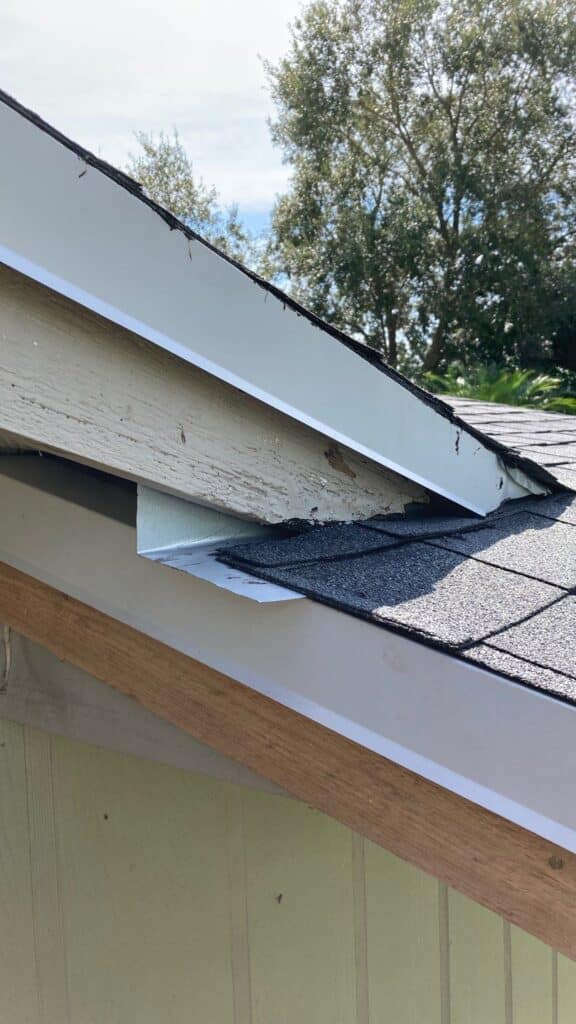
Quick Answer To find a roof leak, start inside, not on the roof. Check the attic for water stains, damp insulation, or dark streaks on the rafters and decking, then trace the water uphill along the wood, because the spot where it drips is rarely where it enters. The most common entry points are flashing […]
What’s Under Your Shingles? Why Roof Underlayment Matters in Florida
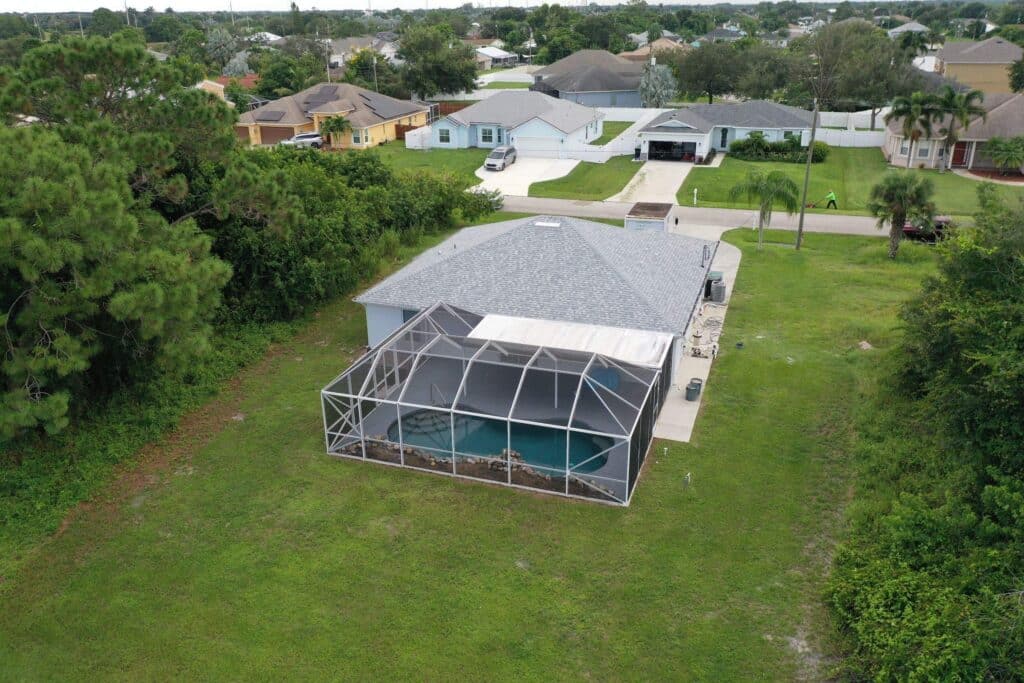
Quick Answer Roof underlayment is a water-resistant layer installed directly on the roof deck, beneath your shingles, tile, or metal panels. It acts as a second line of defense: if wind-driven rain gets past the outer roofing material, the underlayment keeps water from reaching the decking and the home. It matters more in Florida because […]
Wind Mitigation Inspection in Florida: What It Checks and How a New Roof Can Lower Your Premium
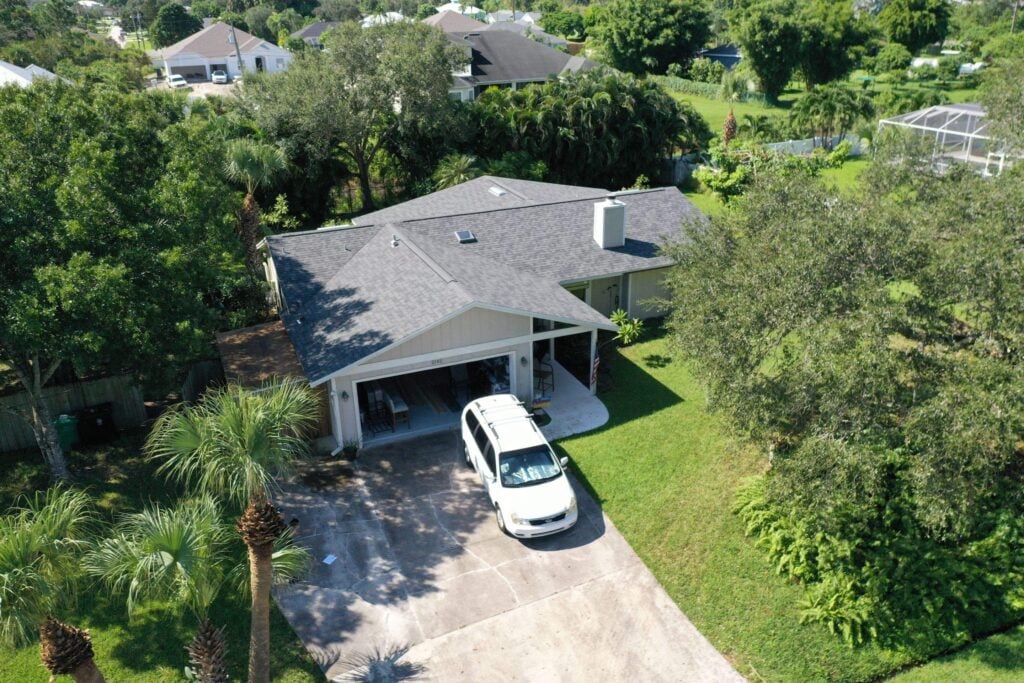
Quick Answer A wind mitigation inspection is a Florida home inspection that documents the features of your house that help it resist hurricane-force winds. A licensed inspector records them on a standardized form, the wind mitigation report, which you send to your insurance company. Florida law requires insurers to offer premium discounts for verified wind-resistant […]
Why Roof Ventilation Matters More in Florida Than Anywhere Else
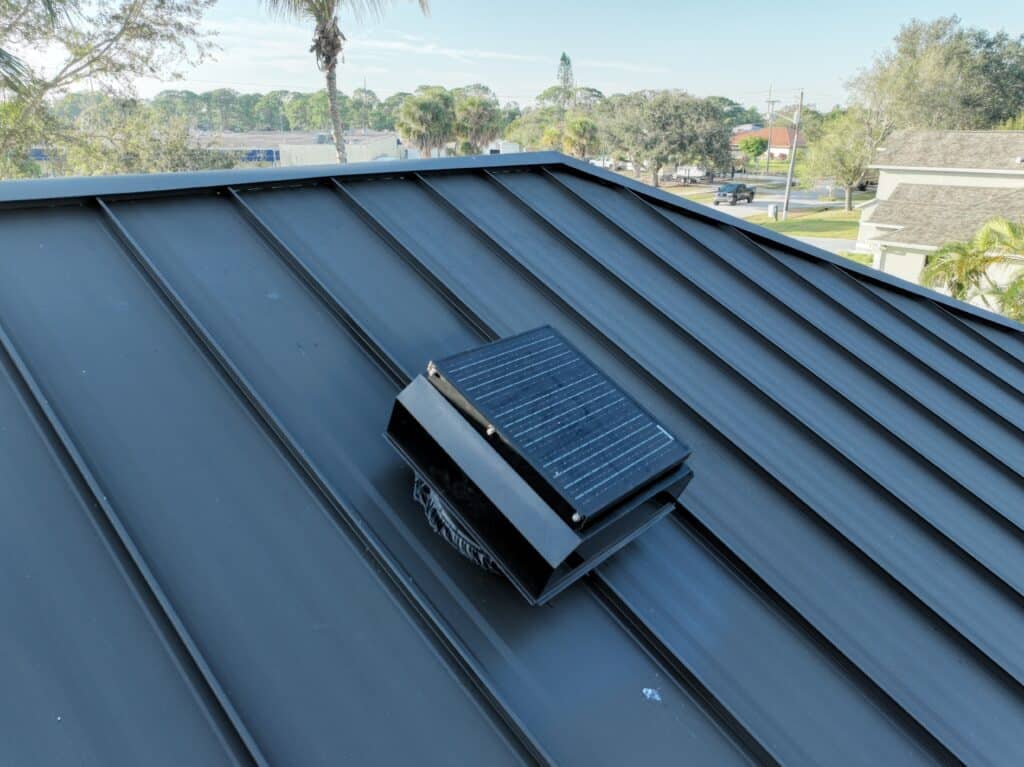
Quick Answer Roof ventilation allows hot, humid attic air to escape and cooler air to enter, which prevents heat buildup, moisture accumulation, and premature wear on roofing materials. It matters more in Florida than in most states because intense year-round sun and high humidity combine to push attic temperatures well above outdoor temperatures, accelerating shingle […]
Standing Seam vs. Corrugated Metal Roofing: Which Is Right for Your Home?
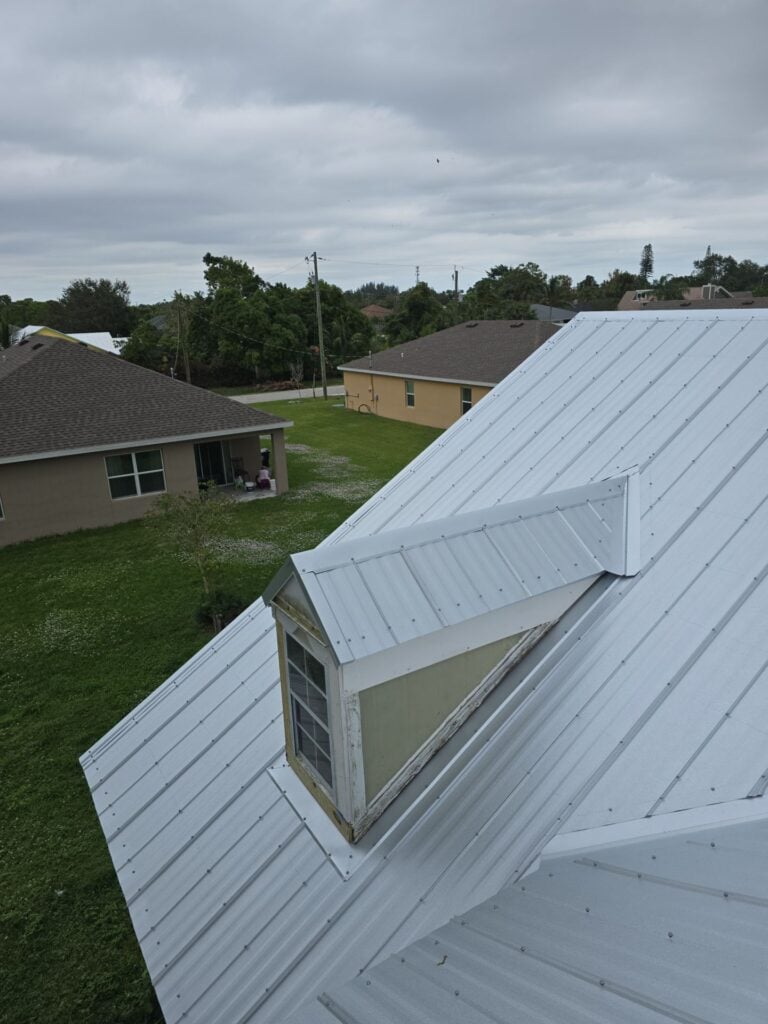
Quick Answer Standing seam metal roofing uses raised, interlocking vertical seams with concealed fasteners, giving it superior wind and water resistance, a cleaner appearance, and a longer lifespan — making it the stronger choice for most homes, especially in hurricane-prone areas. Corrugated metal roofing uses exposed fasteners and a wavy panel profile, and costs less […]
Before and After the Storm: Your Complete Guide to Protecting Your Roof
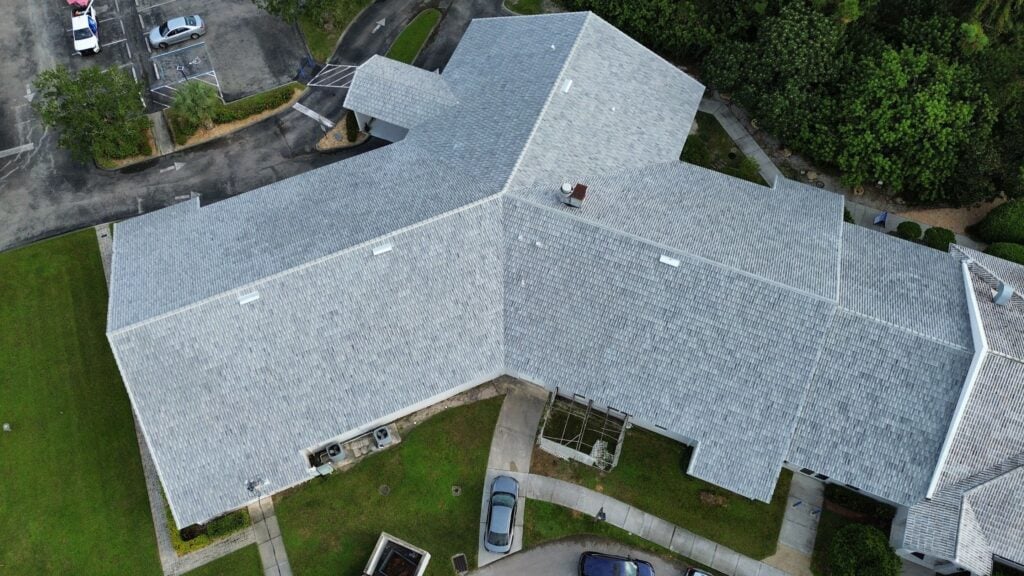
A storm doesn’t ask for permission. It rolls in, does its work, and leaves homeowners wondering what to check first. At Rhino Roofs, we believe you shouldn’t have to guess. This guide walks you through exactly what to do before a storm to protect your home, and exactly what to do after a storm to […]
Rhino Roofs at the West Palm Beach Home Show: A Weekend of Real Conversations

The short version The West Palm Beach Home Show was a great weekend for Rhino Roofs. Our booth stood out, our team talked face to face with homeowners from across Palm Beach County, and a batch of Rhino capes turned out to be the unexpected hit of the show. All weekend at the South Florida […]
Tile Roof Repair: When a Few Cracked Tiles Are (and Aren’t) a Bigger Problem
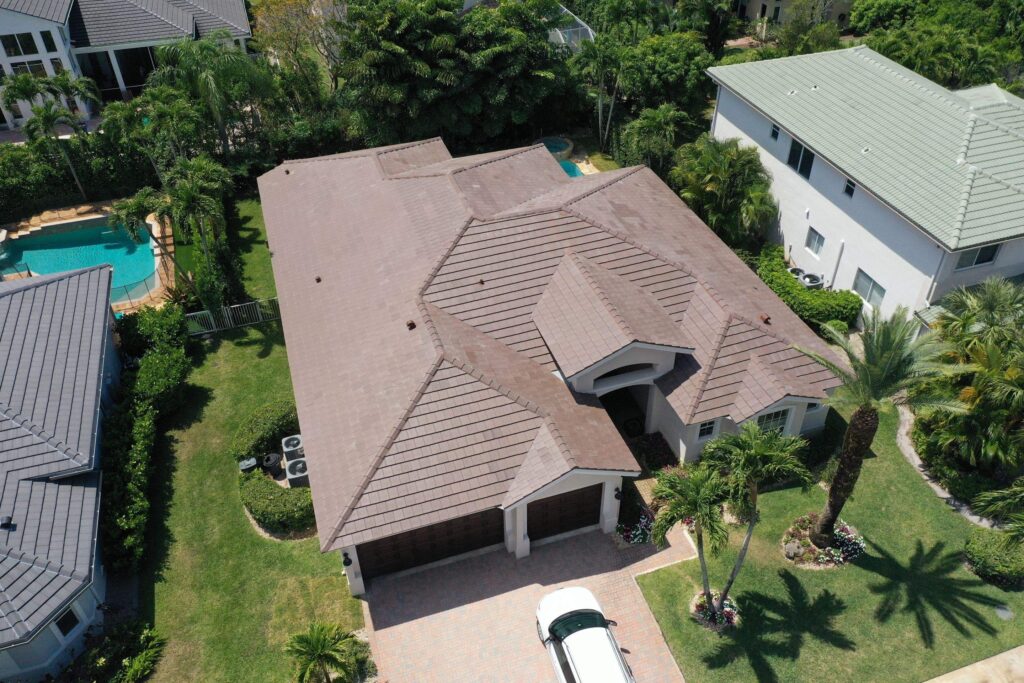
Quick Answer A few cracked roof tiles are usually not an emergency. Isolated cracks from foot traffic, debris impact, or minor settling can typically be repaired by replacing individual tiles, without touching the rest of the roof. It becomes a bigger problem when cracking is widespread, clustered in one area, paired with water stains inside […]
Do You Need a Permit to Replace Your Roof in Florida?
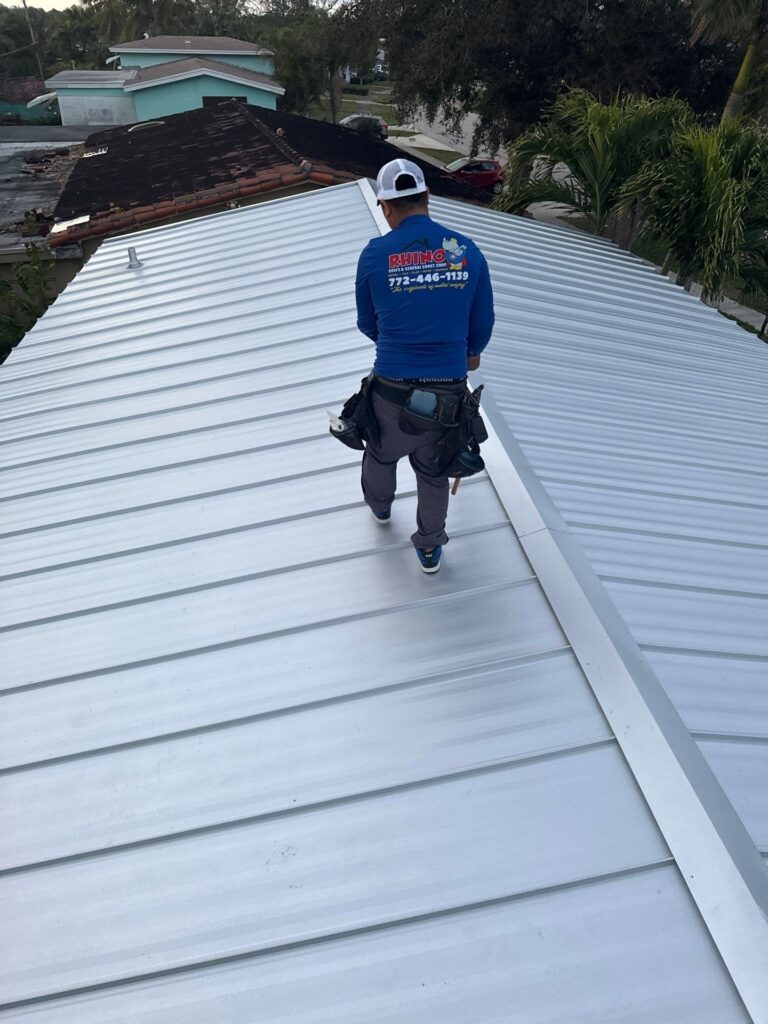
Quick Answer Yes. In Florida, a building permit is required for nearly all roof replacement projects, and most roof repairs above a minor scope, whether the property is residential or commercial. This is a statewide requirement enforced at the county or city level, meaning the exact process and fees vary by jurisdiction, but the requirement […]
Flat Roof Maintenance for Florida Businesses: A Preventive Care Guide
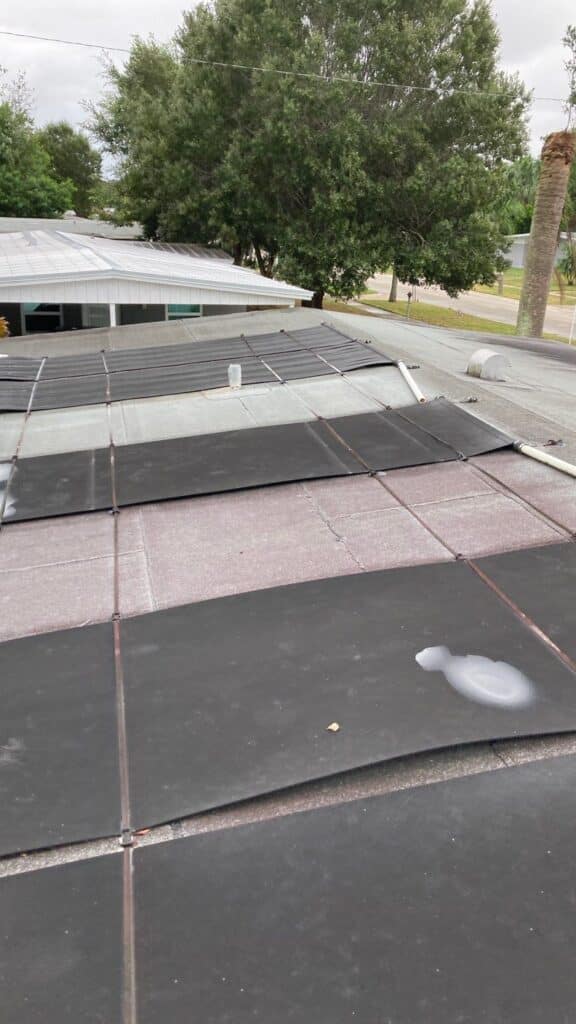
Quick Answer Commercial flat roofs, including TPO systems, should be professionally inspected at least twice a year (spring and fall), have drains and scuppers cleared every 1–3 months, and undergo a post-storm check after any major weather event. The most common causes of premature flat roof failure are ponding water, seam separation, and clogged drainage, […]