

Quick Answer
Roof ventilation allows hot, humid attic air to escape and cooler air to enter, which prevents heat buildup, moisture accumulation, and premature wear on roofing materials. It matters more in Florida than in most states because intense year-round sun and high humidity combine to push attic temperatures well above outdoor temperatures, accelerating shingle aging, warping decking, and promoting mold and mildew growth. A properly ventilated attic typically stays 20–30 degrees cooler than a poorly ventilated one on a hot day, which directly extends roof lifespan and reduces cooling costs.
Here’s what’s actually happening up there, and why it deserves more attention than most homeowners give it.
What Roof Ventilation Actually Does
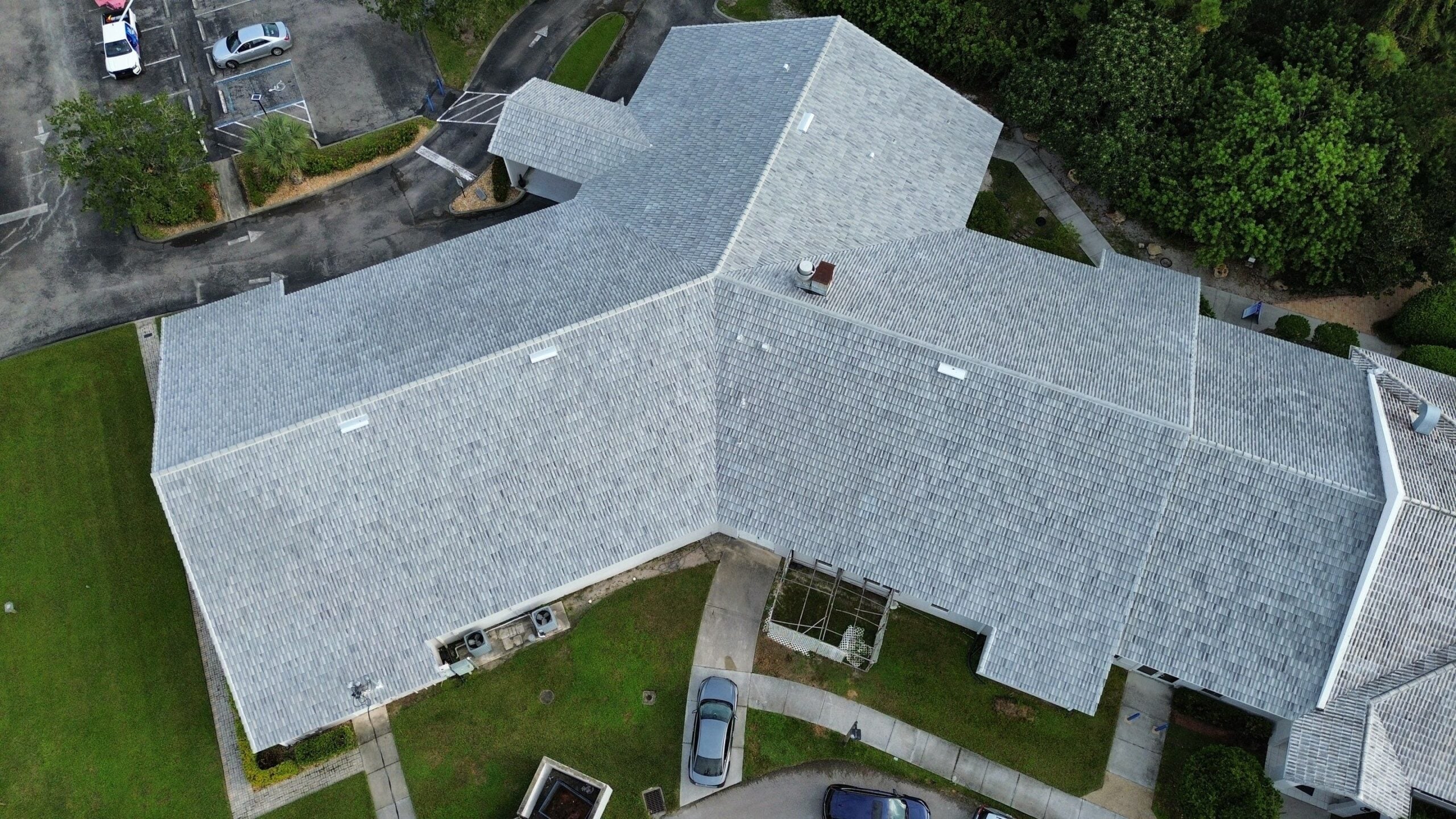
A ventilation system works on a simple principle: intake vents (usually at the soffits, under the roof’s eaves) pull in cooler outside air, while exhaust vents (at or near the ridge) let hot, moist air escape from the attic. Done correctly, this creates continuous airflow that keeps the attic close to outdoor temperature instead of turning it into a heat trap.
Without that airflow, an attic becomes a sealed box sitting directly beneath a surface absorbing hours of direct sun every day. That heat has nowhere to go, so it builds, and it takes the roofing material, the insulation, and often the home’s energy bill along with it.
Why This Matters More in Florida Specifically
Sun Exposure Is Longer and More Direct
Florida sees more sun-hours annually than most of the country, and roofs absorb that heat directly. An attic without proper ventilation can reach 150°F or more on a summer afternoon, compared to 100–120°F in a well-ventilated one.
Humidity Adds a Second Problem, Not Just Heat
In drier climates, poor ventilation is mostly a heat issue. In Florida, it’s heat and moisture. Humid air trapped in an attic condenses against cooler surfaces, particularly overnight, creating persistent dampness that heat alone doesn’t explain. This is a major contributor to mold, mildew, and wood rot in attics that would otherwise look “fine” from a dry-climate perspective.
The Roof Rarely Gets a Break
In much of the country, extreme heat is seasonal. In Florida, high temperatures and humidity are present for the better part of the year, which means a poorly ventilated roof isn’t dealing with a few rough months, it’s dealing with sustained stress for most of the calendar.
What Happens When Roof Ventilation Is Inadequate
Shingles Age Faster From Underneath
Asphalt shingles are engineered to handle sun exposure from above. They’re not designed to also absorb sustained heat radiating up from underneath. Trapped attic heat bakes shingles from both directions, which accelerates granule loss, curling, and brittleness well ahead of their expected lifespan.
Roof Decking Can Warp or Weaken
Sustained heat and moisture cycling causes wood decking to expand, contract, and absorb moisture unevenly over time. This can lead to warping, soft spots, or nail pops that create small, hard-to-detect entry points for water.
Moisture Encourages Mold and Mildew
Trapped humid air condensing inside the attic creates the exact conditions mold needs: warmth, moisture, and still air. This can affect insulation, wood framing, and indoor air quality, well before it ever becomes visible as a roof leak.
Energy Bills Climb
Heat doesn’t stay contained in the attic. It radiates down into the living space below, forcing the HVAC system to work harder to compensate. Homeowners with poorly ventilated attics often see a noticeable, measurable increase in cooling costs during peak summer months.
Manufacturer Warranties Can Be Affected
Many shingle manufacturers require adequate attic ventilation as a condition of their material warranty. Inadequate ventilation isn’t just a performance issue, it can also affect whether premature shingle failure is actually covered.
Signs Your Attic Ventilation Isn’t Working Properly
- Noticeably hot upstairs rooms, even with air conditioning running
- Musty odor in the attic or top floor of the home
- Visible moisture, mold, or dark staining on the underside of the roof deck
- Ice-dam-style granule loss patterns on shingles (even without snow, from heat cycling)
- Rising cooling bills without another clear explanation
- Insulation that feels damp or looks matted rather than fluffy
Any one of these on its own isn’t necessarily a red flag, but a few together are worth a closer look at the attic’s intake and exhaust airflow.
How Roof Ventilation Applies to Metal Roofing Too
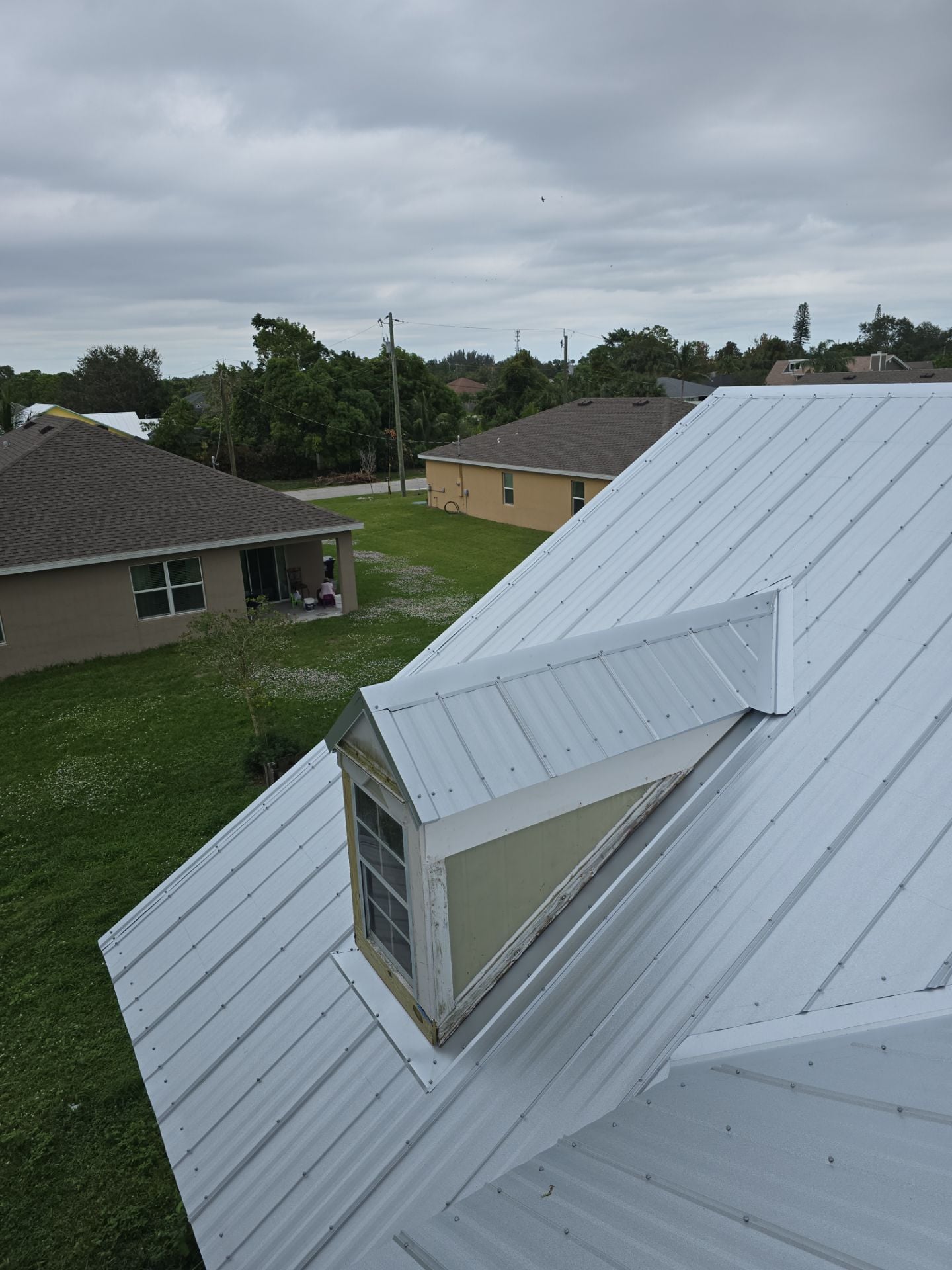
Ventilation isn’t just a shingle-roof concern. Metal roofing systems also rely on proper attic airflow, both to manage the heat metal panels absorb from direct sun and to prevent condensation from forming on the underside of the panels in a humid, poorly vented attic. A well-installed metal roof paired with poor ventilation can still lead to moisture problems underneath, even though the panels themselves are highly weather-resistant.
What Proper Ventilation Typically Involves
A balanced system generally includes:
- Intake vents at the soffits or eaves, allowing cooler air to enter
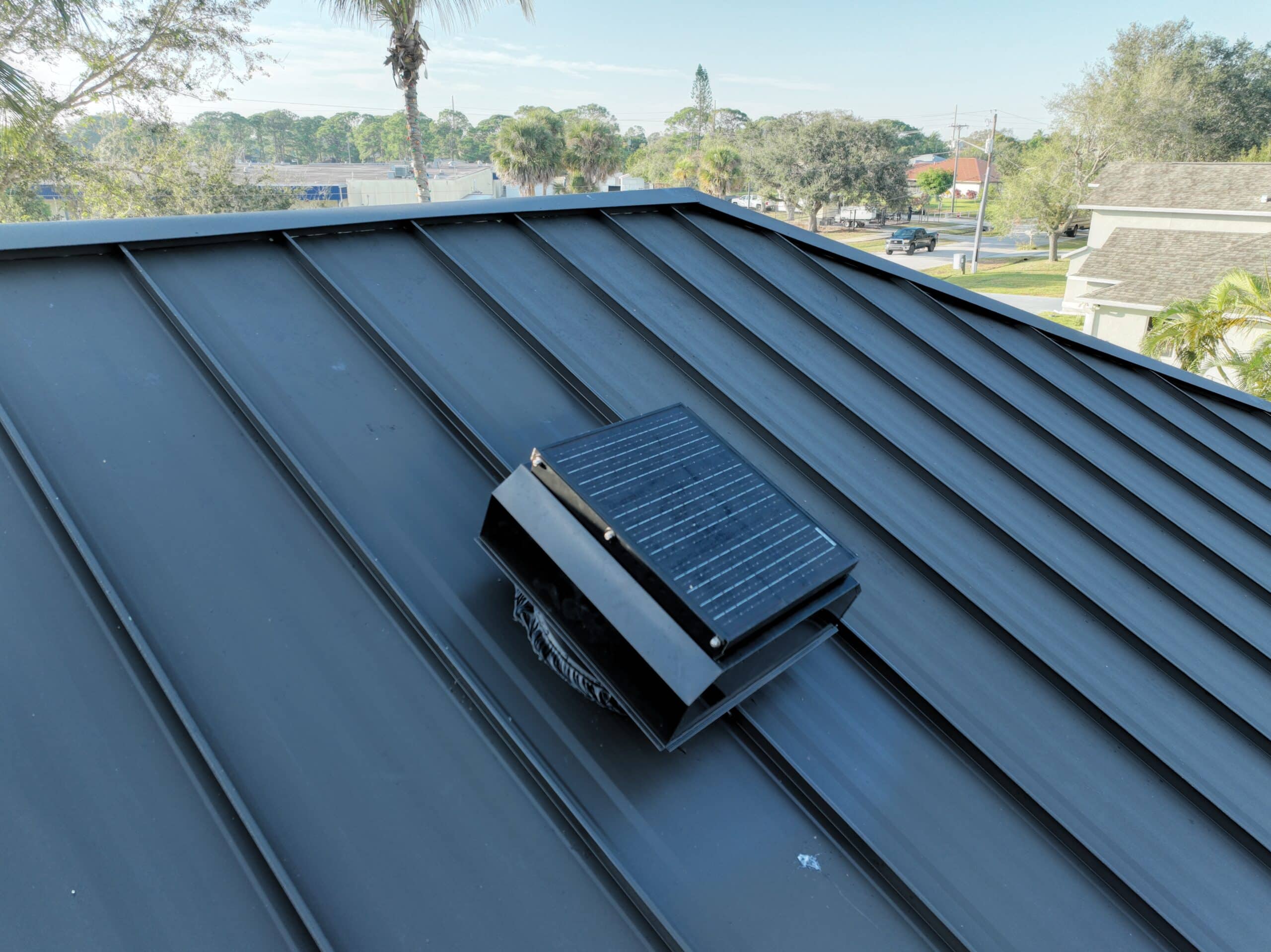
- Exhaust vents at or near the ridge, allowing hot air to escape
- A balanced ratio between intake and exhaust, since too much of one without the other reduces the system’s effectiveness
- Unobstructed airflow paths, meaning insulation isn’t blocking soffit vents and nothing is restricting the attic’s ability to breathe
The right combination depends on the roof’s design, attic layout, and the home’s existing structure, which is why ventilation is typically assessed as part of a broader roof inspection rather than treated as a standalone add-on.
How Rhino Roofs Approaches Ventilation
Ventilation is easy to overlook because it’s invisible from the street. We check it as a standard part of our inspections, not as an upsell, because a roof with the best materials available still won’t perform the way it should if the attic underneath it can’t breathe. If ventilation is holding your roof back, we’ll explain exactly why, and what it would take to fix it.
Frequently Asked Questions
Why is roof ventilation important in Florida specifically?
Florida’s combination of intense, near-constant sun exposure and high humidity causes attic heat and moisture to build up more than in most other climates, accelerating roofing material wear and increasing the risk of mold and structural damage.
How much cooler is a properly ventilated attic?
A well-ventilated attic can run 20 to 30 degrees cooler than a poorly ventilated one on a hot day, which reduces stress on roofing materials and lowers the load on a home’s HVAC system.
Can poor roof ventilation void a shingle warranty?
Yes, in many cases. Several shingle manufacturers require adequate attic ventilation as a condition of their material warranty, meaning inadequate ventilation can affect coverage for premature shingle failure.
Does metal roofing need attic ventilation too?
Yes. Metal roofing systems still rely on proper attic airflow to manage heat and prevent condensation from forming on the underside of the panels in a humid attic.
How do I know if my attic has a ventilation problem?
Common signs include unusually hot upper floors, a musty attic smell, visible moisture or staining on the roof deck’s underside, and rising cooling costs without another clear cause.