

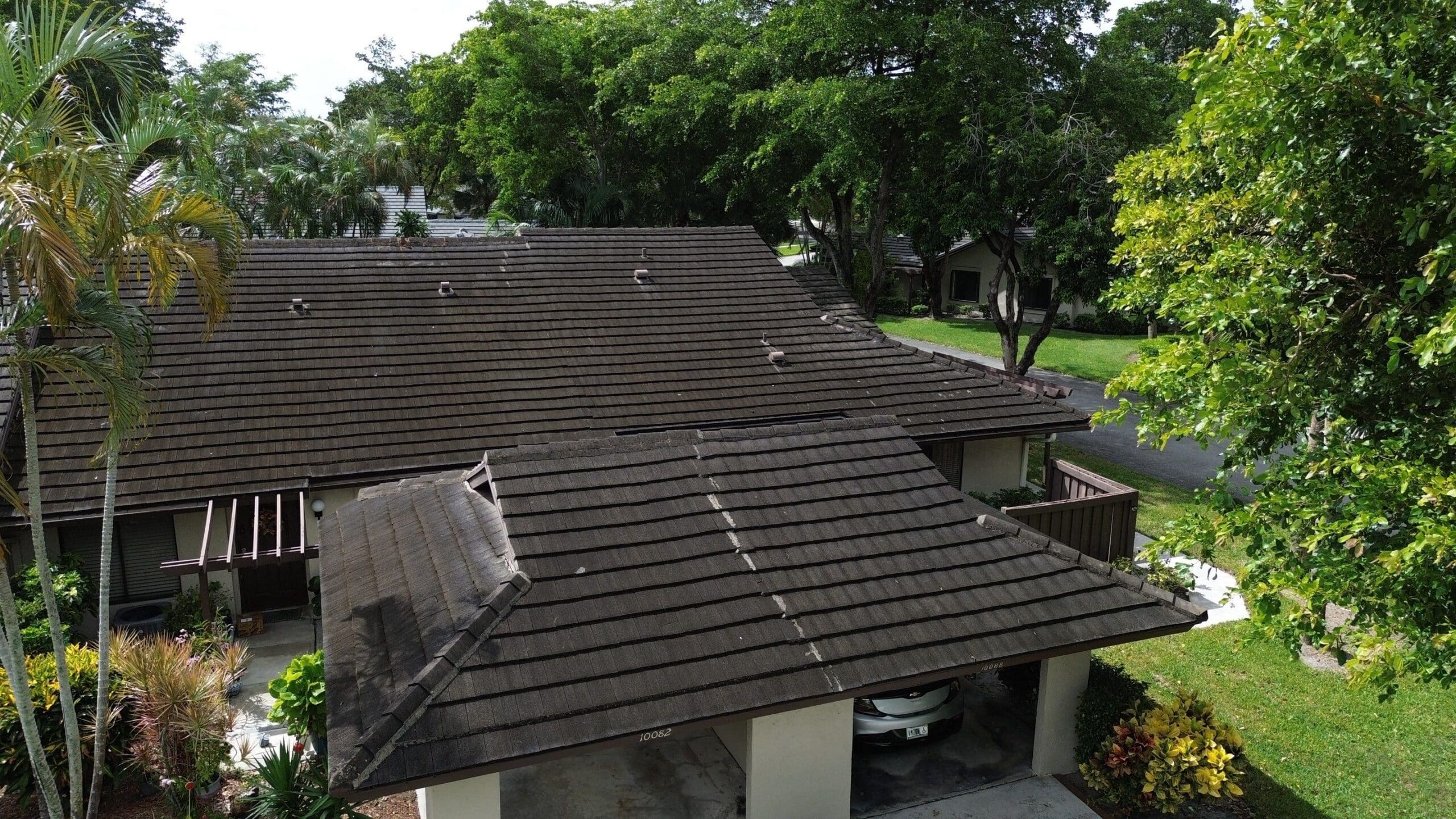
Quick Answer
Most Florida homeowners should have their roof professionally inspected once every 1 to 2 years, and immediately after any major storm — including hurricanes, severe thunderstorms, or hail events. Roofs older than 15 years, or homes preparing to sell or renew insurance, should be inspected annually. This schedule catches small issues, like lifted shingles or worn flashing, before they turn into leaks or structural damage.
That’s the short version. Here’s the full timeline, and why it looks different depending on your roof’s age, material, and what Florida’s weather has thrown at it lately.
Why Roof Inspection Frequency Is Different in Florida
Florida roofs don’t age the way roofs do in most of the country. Between the UV exposure, humidity, salt air along the coast, and the annual freight train of hurricane season, a roof here is under near-constant stress that homeowners further inland rarely deal with.
That doesn’t mean you need to be anxious about it. It means the schedule should be intentional rather than reactive. A calm, routine inspection cadence is what prevents the stressful, expensive surprise — a soft spot in the decking, a leak that’s been forming for months, or storm damage that goes unnoticed until it shows up as a water stain on the ceiling.
The Roof Inspection Timeline: What to Follow and When
Every 1–2 Years: The Baseline Standard
For most roofs under 15 years old, in good condition, and with no recent storm exposure, an inspection every one to two years is the standard recommendation. This is enough to track gradual wear — granule loss on shingles, minor flashing separation, small tile cracks — before it becomes a bigger repair.
Every Year: Once Your Roof Passes the 15-Year Mark
As a roof ages, its margin for error shrinks. Materials that once flexed and sealed properly start to lose that resilience. Once your roof is 15 years or older, we’d recommend shifting to an annual inspection, regardless of material type. This is also typically the point where insurance companies start asking more questions, which brings us to the next timeline trigger.
After Every Named Storm or Major Weather Event
This is non-negotiable in Florida. Any time a named storm, hurricane, or severe hail event passes through your area, your roof should be inspected — even if nothing looks wrong from the ground. Wind uplift and hail impact often cause damage that isn’t visible from a ladder or a photo, only from a trained eye checking seams, fasteners, and underlayment access points.
Before Buying or Selling a Home
A roof inspection should be part of every real estate transaction in Florida, on either side of the deal. Buyers want to know what they’re inheriting. Sellers want to walk into negotiations with documentation, not guesswork. Either way, this inspection typically happens 30–90 days before closing.
Before Renewing or Shopping Homeowners Insurance
Florida insurers increasingly require updated roof documentation, particularly for roofs over 10 years old. An inspection ahead of your renewal date can also support a Wind Mitigation Report, which may qualify you for meaningful discounts on your premium.
Immediately After Any Visible Warning Sign
Outside of the standard schedule, don’t wait for the next scheduled inspection if you notice:
- Water stains on ceilings or interior walls
- Granules collecting in gutters or downspouts
- Curling, cracked, or missing shingles
- Cracked or slipped roof tiles
- Visible sagging in the roofline
- Daylight visible through the attic roof boards
- A noticeable spike in cooling costs
Any one of these is worth a call, not a wait-and-see approach.
What a Professional Roof Inspection Actually Checks
A proper inspection goes well beyond a glance from the driveway. A thorough inspection typically covers:
- Surface condition — shingles, tiles, or metal panels checked for cracking, curling, corrosion, or granule loss
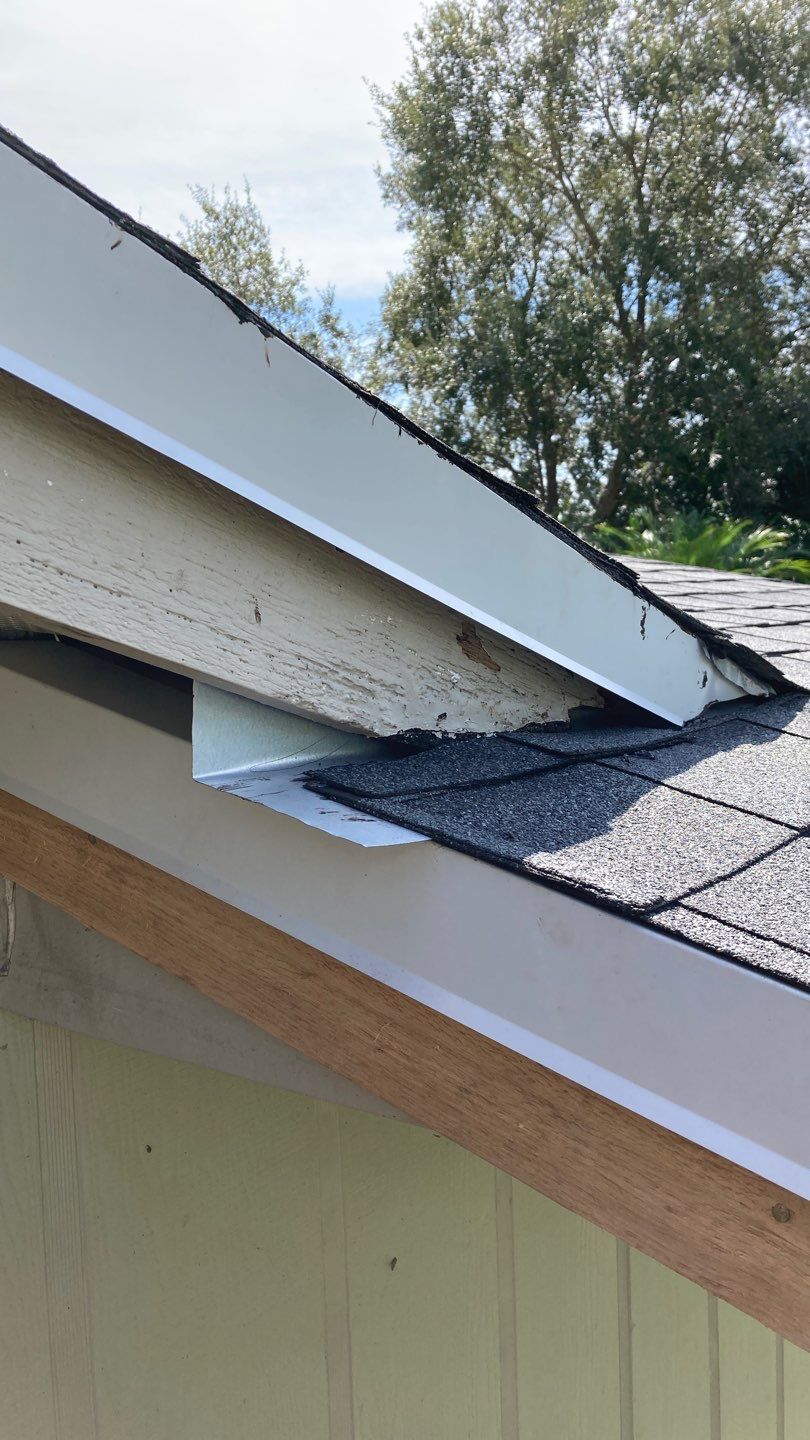
- Flashing and seals — around chimneys, vents, skylights, and roof-to-wall transitions, where most leaks originate
- Structural integrity — checking for sagging, soft spots, or signs of decking damage
- Attic and ventilation — moisture, mold, insulation condition, and airflow, since poor ventilation shortens roof lifespan significantly in Florida’s humidity
- Drainage — making sure water is moving off the roof and away from the home, not pooling or backing up
- Fastener and seam integrity — especially important for metal roofing, where wind uplift resistance depends on proper attachment
Professional roof inspections should include clear documentation of findings, including photographs, observations, and recommended next steps when applicable.
Professional Inspection vs. Homeowner Walkthrough
A homeowner can and should do a basic visual check from the ground every few months — after storms, before hurricane season, or just as a habit. Look for obviously missing shingles, debris buildup, or sagging areas.
But a full professional inspection catches what a ground-level check can’t: the condition of flashing, decking, fasteners, and attic ventilation. These are the components most responsible for hidden leaks, and they’re not visible without someone trained to look for them, on the roof itself.
How Rhino Roofs Approaches Inspections
We inspect before we recommend anything — never the other way around. Every Rhino inspection includes a full evaluation of your roof’s condition, a clear explanation of what we found and what it means for your home, and honest guidance on whether that means monitoring, repair, or replacement. No generic estimates, no pressure to act faster than you’re ready to.
If you’re not sure where your roof stands on this timeline, a quick inspection will tell you exactly what you’re working with — and what, if anything, needs attention next.
Frequently Asked Questions
How often should you inspect your roof in Florida? Every 1 to 2 years for roofs under 15 years old, annually for roofs 15 years or older, and immediately after any hurricane, named storm, or hail event.
Is a roof inspection different from a roof estimate? Yes. An inspection evaluates your roof’s current condition and documents any issues. An estimate is a cost projection for repair or replacement work, which typically follows an inspection if problems are found.
Do roof inspections cost money? Many roofing companies, including Rhino Roofs, offer complimentary inspections as part of an initial consultation. Costs can vary if a more detailed report is required for insurance or real estate purposes.
Can I inspect my own roof instead of hiring a professional? A visual check from the ground is a reasonable habit between professional inspections, but it won’t catch flashing wear, fastener issues, or attic ventilation problems — the areas most responsible for hidden leaks.
Does a roof inspection help lower homeowners insurance? It can. A Wind Mitigation Inspection, often paired with a general roof inspection, documents features that reduce storm risk and may qualify your home for insurance discounts.