

Quick Answer
Roof underlayment is a water-resistant layer installed directly on the roof deck, beneath your shingles, tile, or metal panels. It acts as a second line of defense: if wind-driven rain gets past the outer roofing material, the underlayment keeps water from reaching the decking and the home. It matters more in Florida because of heavy rain, hurricane-force winds, and intense heat, all of which put stress on the roof system. The three main types are felt (asphalt-saturated), synthetic, and self-adhered (peel-and-stick), and for most Florida homes, synthetic or self-adhered options generally offer stronger, longer-lasting protection than traditional felt.
Here’s what underlayment actually does, how the options compare, and why it’s worth knowing about before your next roof.
What Is Roof Underlayment?
When most people picture a roof, they picture the visible layer: shingles, tile, or metal panels. But those materials aren’t working alone. Beneath them sits a layered system, and the underlayment is one of its most important components.
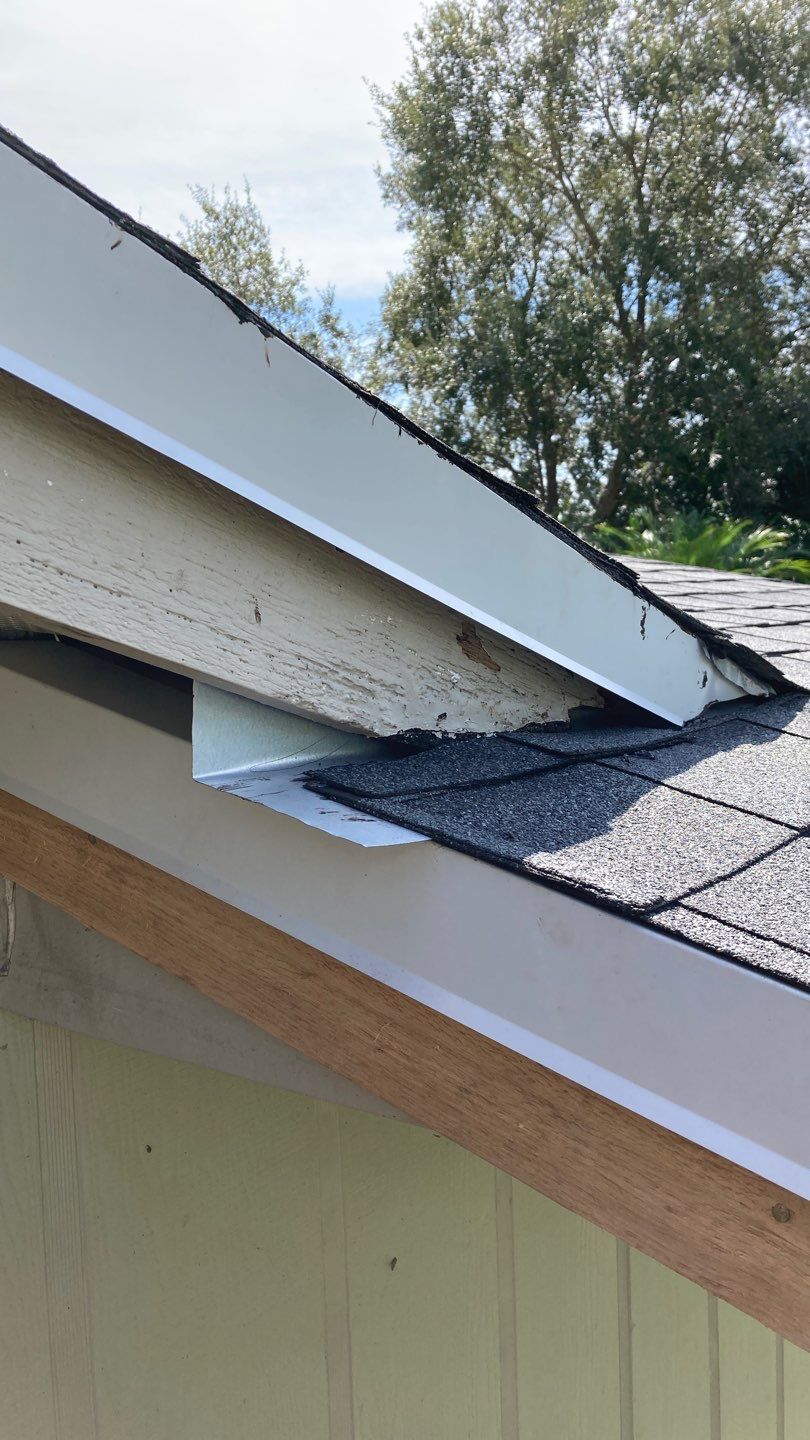
Think of it this way: the shingles are the first line of defense, shedding the bulk of rain and sun exposure. The underlayment is the backup, a continuous barrier that catches whatever the outer layer doesn’t. Wind can lift a shingle edge. A fastener can work slightly loose. Rain can be driven sideways under a tile. In each case, the underlayment is what stands between that water and your roof deck.
It’s invisible once the roof is finished, which is exactly why it’s easy to overlook, and why it’s worth understanding.
Why Underlayment Matters More in Florida
Wind-driven rain is the real threat. Florida storms don’t just drop rain downward. High winds push water sideways and upward, forcing it under shingle edges and into places a standard rainfall never would. Underlayment is what handles that water when the outer layer can’t.
Heat takes a toll on materials. Sustained high temperatures and UV exposure can accelerate the aging of underlayment, particularly traditional felt. Material choice matters more here than in milder climates.
Hurricane exposure raises the stakes. In a major storm, if shingles or tiles are damaged or displaced, a quality underlayment can mean the difference between a roof that still keeps most water out and one that lets the interior take the hit.
It can affect your insurance. On a Florida Wind Mitigation Inspection, secondary water resistance, essentially a sealed layer beneath the roof covering that helps prevent water intrusion if the outer layer is compromised, is one of the features that can be documented, and it may factor into insurance premium discounts.
Types of Roof Underlayment
Felt Underlayment (Asphalt-Saturated)
The traditional option, made of paper or fiberglass mat saturated with asphalt.
Pros:
- Lower upfront cost
- Long track record and widespread familiarity
Cons:
- Can absorb moisture and wrinkle or tear, especially if exposed during installation
- Generally less durable under prolonged heat and UV exposure
- Typically shorter lifespan than synthetic options
Synthetic Underlayment
Made from polymer-based materials, designed to be lighter, stronger, and more resistant to tearing and moisture than felt.
Pros:
- Higher tear resistance and strength
- Doesn’t absorb moisture the way felt can
- Better performance under heat and UV exposure
- Lighter weight and typically easier to install flat and consistent
Cons:
- Higher material cost than felt
- Performance varies by product, so quality of the specific product matters
Self-Adhered (Peel-and-Stick) Underlayment
A rubberized, adhesive-backed membrane that bonds directly to the roof deck.
Pros:
- Seals around fasteners, which helps prevent leaks where nails penetrate
- Strong performance against wind-driven rain
- Often used as a secondary water barrier in high-wind regions
Cons:
- Highest material and installation cost of the three
- Requires careful installation and appropriate conditions for proper adhesion
Synthetic Underlayment vs. Felt: Side-by-Side
| Factor | Felt | Synthetic |
| Material | Asphalt-saturated paper or fiberglass | Polymer-based |
| Tear resistance | Lower | Higher |
| Moisture absorption | Can absorb moisture | Resists moisture |
| Heat/UV durability | Lower | Higher |
| Cost | Lower | Higher |
| Typical use | Budget-conscious projects | Preferred for many modern installs |
For Florida homes, the added durability of synthetic or self-adhered options generally makes them a more practical long-term choice than felt, especially given the climate’s heat, humidity, and storm exposure. The right choice depends on your roof type, budget, and the level of protection you’re aiming for.
Signs Your Underlayment May Be Failing
Because it’s hidden, underlayment problems usually show up indirectly:
- Water stains on ceilings or walls without an obvious shingle problem
- Leaks that appear after heavy, wind-driven rain, but not regular rain
- Soft or damp spots in the roof deck, noticeable from the attic
- A roof that’s aging without visible surface damage, but has leaks anyway
- Shingles or tiles that look intact on a roof nearing the end of its underlayment’s lifespan
If your roof is older, especially with felt underlayment, these symptoms can point to a problem below the surface rather than with the shingles themselves.
When Underlayment Gets Replaced
Underlayment is typically replaced during a full roof replacement, since it’s installed beneath the roof covering and can’t be accessed without removing it. This is also the ideal time to upgrade from felt to a more durable option, because the roof deck is already exposed and the cost of upgrading is mostly the material difference rather than a separate project.
This is one reason a roof replacement is more than just “new shingles.” The materials you can’t see are often doing the most important work.
How Rhino Roofs Approaches Underlayment
We explain what’s going under your roof before it goes on, not after. Underlayment is one of those decisions that doesn’t look like much in an estimate, but it’s a meaningful part of how your roof performs when conditions get serious. We’ll walk you through the options, what we recommend for your home, and why, so the decision is yours, made with full clarity.
Explore Residential Roofing Services
Frequently Asked Questions
What is roof underlayment?
Roof underlayment is a water-resistant barrier installed directly on the roof deck beneath shingles, tile, or metal panels. It serves as a second layer of protection if water gets past the outer roofing material.
What is the difference between synthetic underlayment and felt?
Felt underlayment is made of asphalt-saturated paper or fiberglass, while synthetic underlayment is made of polymer-based materials. Synthetic options are generally more tear-resistant, resist moisture absorption, and hold up better to heat and UV exposure, though they cost more upfront.
Is synthetic underlayment better than felt for Florida homes?
In most cases, yes. Florida’s heat, humidity, and wind-driven rain generally favor the durability and moisture resistance of synthetic or self-adhered underlayment over traditional felt.
How long does roof underlayment last?
It depends on the type and conditions. Felt underlayment generally has a shorter lifespan than synthetic or self-adhered options, which is why underlayment condition is an important factor when evaluating an older roof.
Can underlayment affect my homeowners insurance?
It can. Secondary water resistance, a sealed layer beneath the roof covering, is one of the features documented on a Florida Wind Mitigation Inspection and may contribute to insurance premium discounts.