

If you’ve been searching for a straight answer about roof inspection costs in Florida, here it is: most homeowners pay between $150 and $400 for a standard inspection. But as with most things in the Sunshine State, the full picture is a little more nuanced — and understanding it could save you hundreds of dollars on your insurance premium or protect you from a costly surprise down the road.
Florida’s climate is unlike anywhere else in the country. Between hurricane season, intense UV exposure, and year-round humidity, roofs here take a beating. Add the state’s ongoing homeowners insurance challenges to the mix, and you’ll quickly see why roof inspections aren’t just routine maintenance for Florida homeowners — they’re often a financial necessity.
Whether you’re getting inspected for insurance compliance, buying or selling a home, or just keeping tabs on your roof’s health, this guide breaks down every cost, every inspection type, and everything you need to know to make a confident, informed decision.
Average Roof Inspection Cost in Florida
The cost of a roof inspection in Florida depends heavily on what type of inspection is being performed. A basic visual check by a licensed inspector looks and costs very different from a specialized wind mitigation assessment ordered by your insurance carrier. Here’s a clear breakdown of what each type typically runs.
Standard Physical Inspection ($150 – $350)
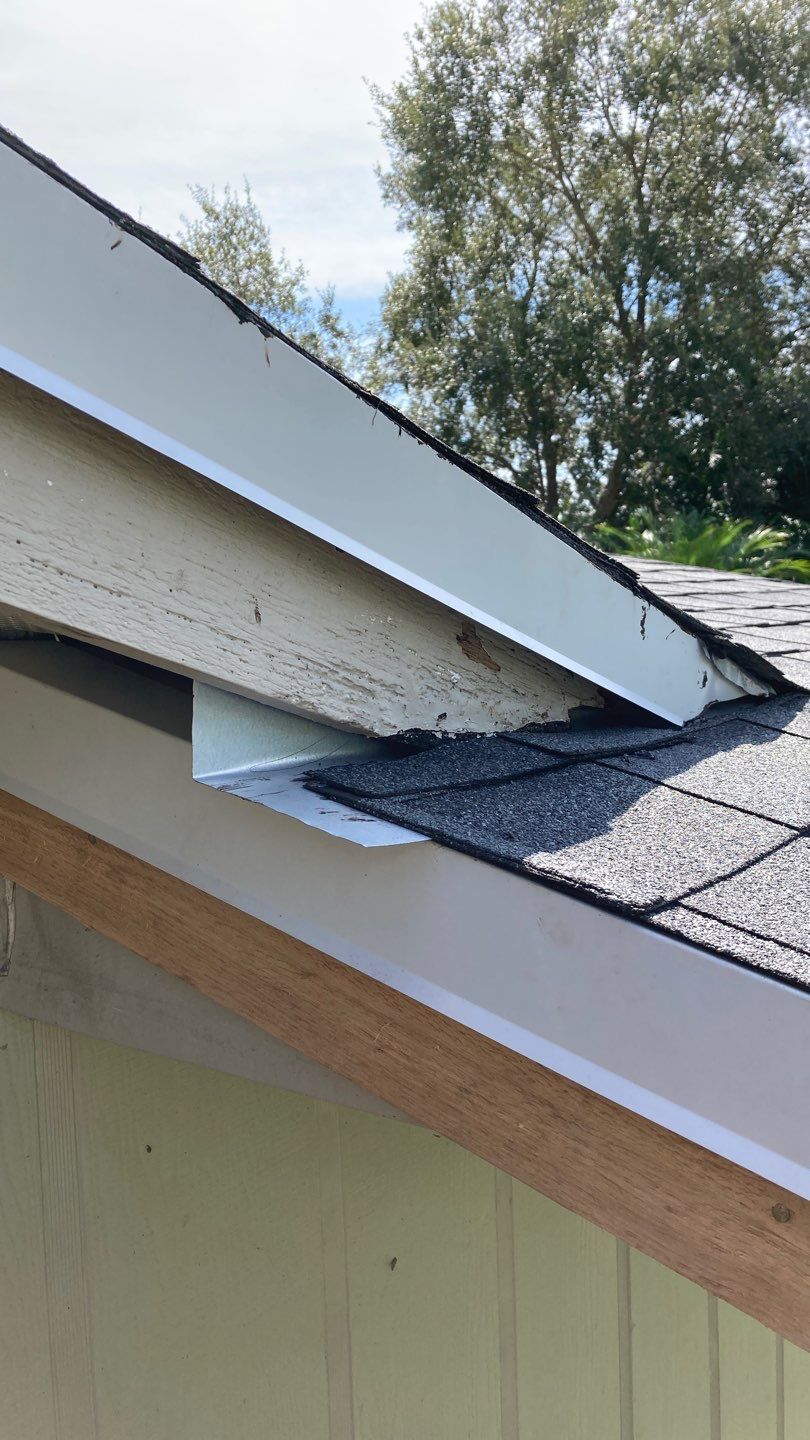
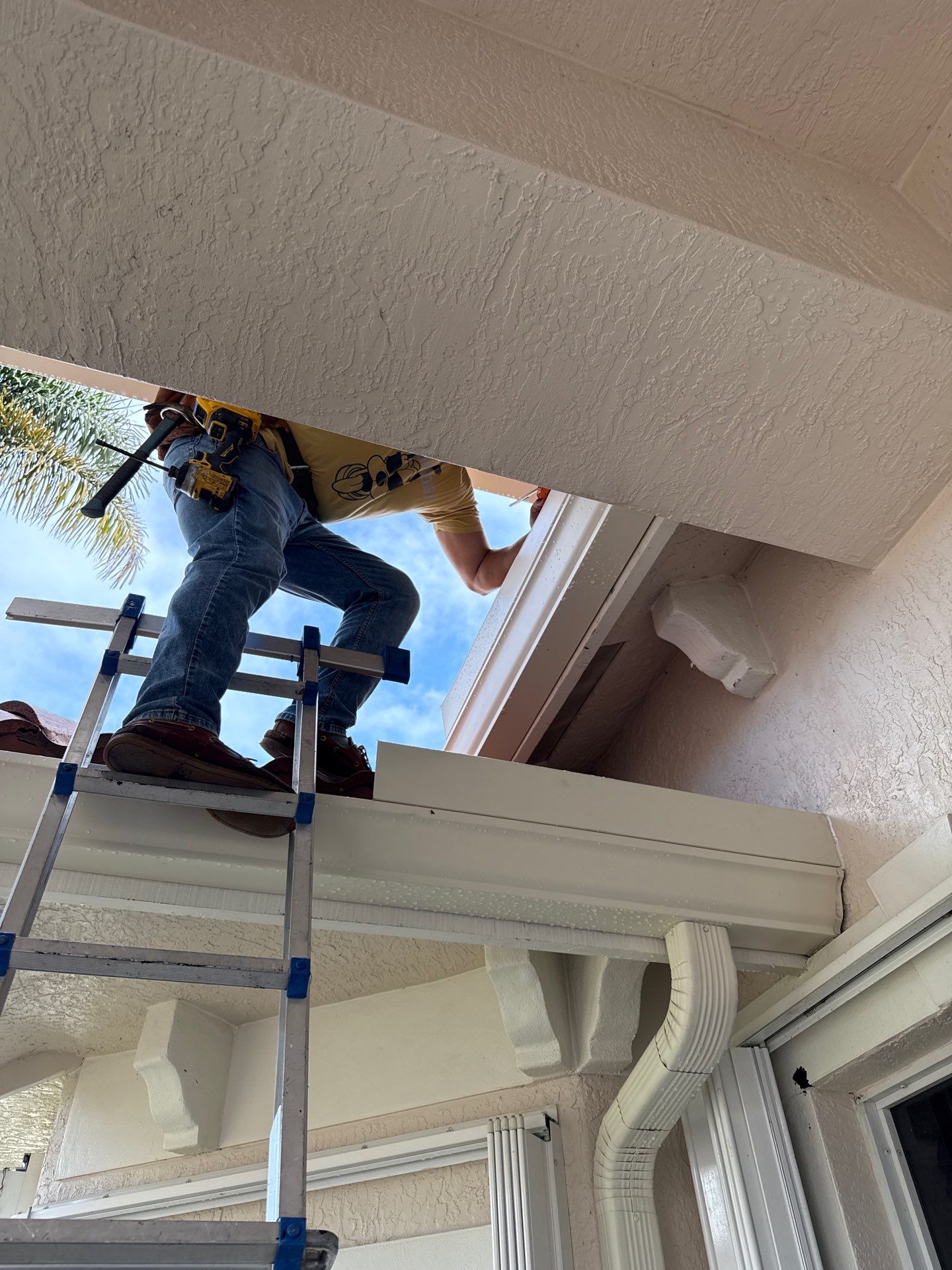
This is the most common type of roof inspection — a hands-on, visual evaluation performed by a licensed roofing contractor or home inspector. The inspector walks the roof (or uses ladders and binoculars on steeper pitches) to check for missing or damaged shingles, deteriorating flashing, compromised sealants, signs of moisture intrusion, and overall structural integrity.
For most routine inspections, you’ll land somewhere in the $150–$350 range. Larger homes, more complex roof systems, or tile and metal roofs can push costs toward the higher end. This type of inspection is ideal for general maintenance, preparing a home for sale, or getting a second opinion before committing to a repair.
Drone Roof Inspections ($200 – $450)
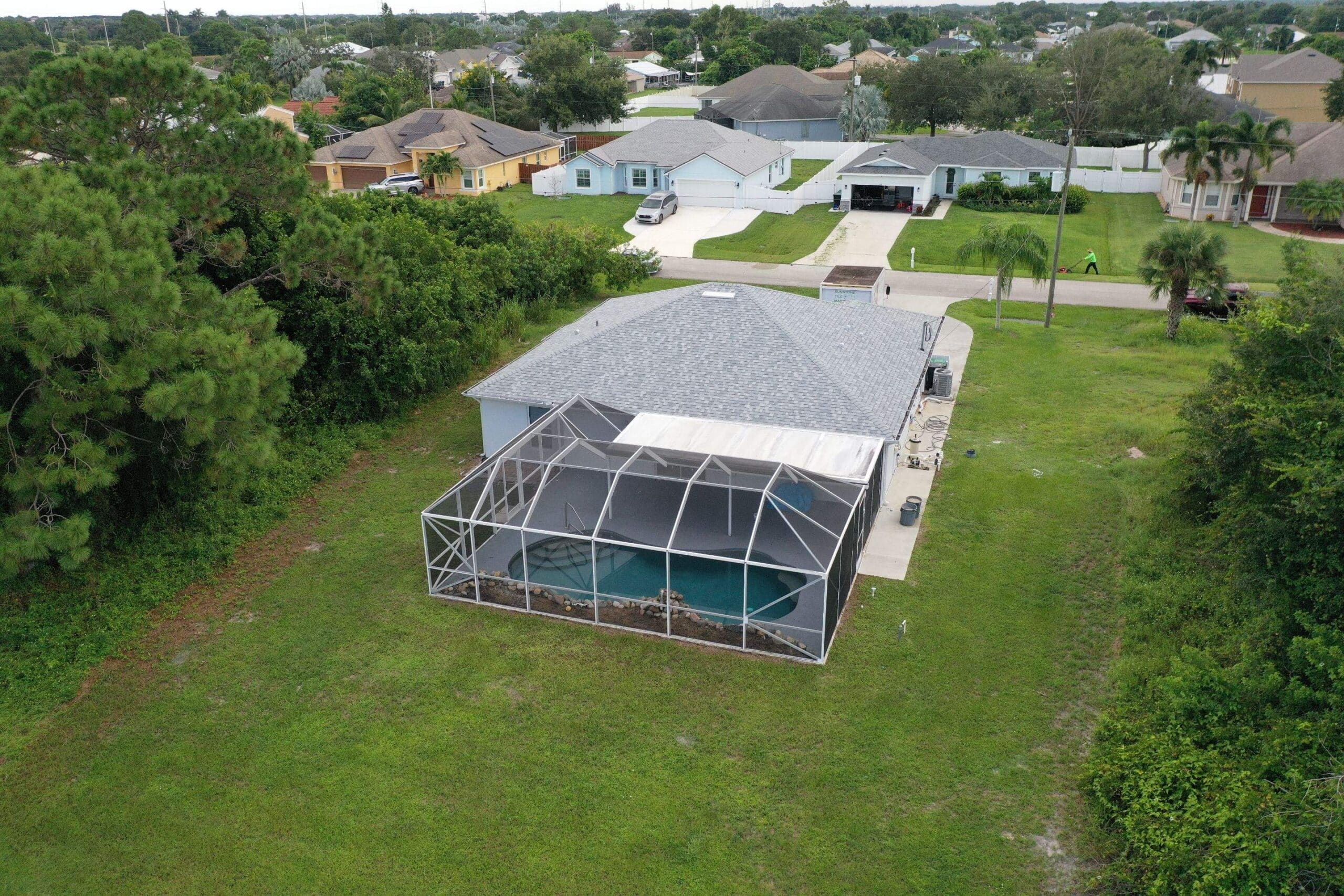
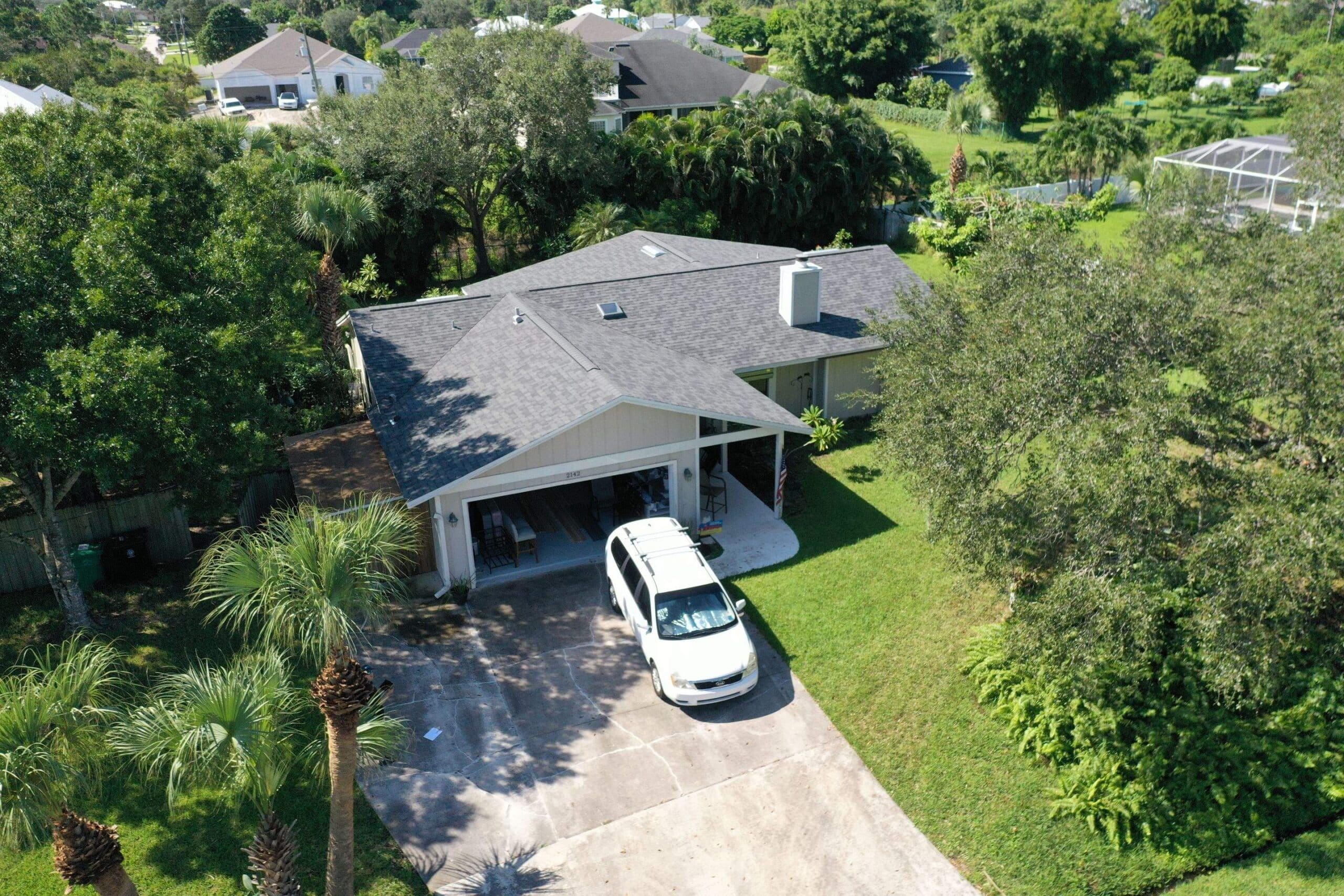
Drone inspections have become increasingly popular in Florida, especially for steep roofs, high-pitch metal systems, or homes where foot traffic on the roof could void certain warranties. A licensed inspector pilots a drone to capture high-resolution aerial photos and video of the entire roof surface, which are then reviewed for damage or wear.
Drone inspections are especially useful after a named storm, when getting a crew on the roof quickly isn’t always practical. Expect to pay between $200 and $450 depending on the size of the roof and the extent of the documentation provided.
Infrared / Thermal Imaging Inspections ($300 – $600)
Infrared thermography is the most sophisticated inspection method available — and the most revealing. Thermal cameras detect heat signatures beneath the surface of the roof, making it possible to identify trapped moisture, hidden leaks, and compromised insulation that a standard visual inspection would completely miss.
This type of inspection is particularly valuable in Florida, where prolonged humidity can cause moisture to accumulate inside roofing systems long before a visible leak appears. Costs typically run $300–$600, and the investment is often worthwhile for older roofs or any situation where hidden damage is suspected.
| Inspection Type | Typical Cost (FL) | Best For |
| Physical / Visual | $150 – $350 | General maintenance & real estate |
| Wind Mitigation | $75 – $150 | Insurance premium discounts |
| Drone | $200 – $450 | Steep or hard-to-access roofs |
| Infrared / Thermal | $300 – $600 | Detecting hidden leaks or moisture |
Factors That Influence Your Florida Inspection Price
Even within the ranges above, prices vary. A few key factors consistently move the needle on what you’ll pay.
Roof Size and Complexity
A straightforward single-story home with a simple gable roof is going to be faster and cheaper to inspect than a multi-level home with dormers, skylights, and multiple roof planes. Inspectors typically factor in square footage and time on site, so larger, more intricate roofs naturally cost more to evaluate thoroughly.
Roof Material
Asphalt shingles are the most common and easiest to inspect. Tile roofs — both clay and concrete — require more careful navigation to avoid breakage and often take longer to assess properly. Metal roofs, particularly standing seam systems, have their own inspection considerations. If you have a specialty material, factor in a slightly higher cost.
Pitch and Accessibility
The steeper the roof, the more safety equipment and time an inspector needs. Very steep or highly elevated roofs may require additional labor or specialized equipment, which gets reflected in the price. This is one reason drone inspections have become a popular option for certain roof types — they eliminate the access challenge entirely.
Specialized Florida Inspections Required by Insurance
This is where Florida gets unique. Beyond standard maintenance inspections, the state’s insurance landscape has created demand for several specialized inspection types that can have a direct impact on your coverage and your annual premium. If you’re dealing with insurance compliance, these are the ones that matter most.
Wind Mitigation Inspections ($75 – $150)
A wind mitigation inspection evaluates how well your roof is built to withstand hurricane-force winds. Inspectors assess factors like roof shape, the strength of roof-to-wall connections, the type of roof deck attachment, and the quality of the roof covering.
Here’s why this inspection is worth every dollar: a qualifying wind mitigation report can reduce your annual homeowners insurance premium by $400 to $1,500 or more. The inspection itself typically costs between $75 and $150 and is valid for five years. For most Florida homeowners, this is one of the highest-return investments they can make.
Four-Point Inspections ($100 – $200)
A four-point inspection covers the four primary systems of a home: the roof, electrical, plumbing, and HVAC. Insurance carriers frequently require this inspection when a policy changes hands, when a home is over 20 years old, or when a homeowner is switching carriers. The roofing portion evaluates the condition, age, and remaining life expectancy of the roof.
Four-point inspections typically run $100–$200 and are a standard part of the insurance underwriting process for older Florida homes. If your carrier is requesting one, it’s not something to delay.
Roof Certification for the ‘15-Year Rule’ ($75 – $200 add-on)
Florida law (Statute 627.7011) generally prevents insurance companies from denying coverage solely because a roof is aging, provided the roof can demonstrate it has sufficient useful life remaining. In practice, many insurers require a roof certification — a formal assessment from a licensed contractor confirming the roof’s condition and estimated remaining lifespan — for roofs that are approaching or exceeding 15 years old.
Roof certification is often added on to an existing inspection for $75–$200. It documents the roof’s current condition and is sometimes the difference between keeping your coverage and being required to replace the roof before renewal.
Why Do Florida Homeowners Need a Roof Inspection?
There are several scenarios where a roof inspection isn’t just a good idea — it’s essential. Here are the most common:
- Insurance compliance: Carriers increasingly require documentation of roof condition, especially for homes with aging roofs. The right inspection — whether four-point, wind mitigation, or certification — can determine your eligibility for coverage.
- Post-storm damage assessment: After a named storm or significant weather event, a professional inspection creates a documented record of damage. This is critical if you plan to file an insurance claim.
- Real estate transactions: Both buyers and sellers benefit from a professional roof inspection. Buyers want to know what they’re taking on; sellers who can show a clean inspection report stand on stronger footing.
- Proactive maintenance and lifespan extension: Catching small problems early — a compromised flashing seal, a few cracked tiles — before they become costly water intrusion issues is the smartest way to protect your roofing investment.
Free vs. Paid Roof Inspections: Which Is Better?
Many roofing contractors offer free inspections, and it’s worth understanding what that actually means before you schedule one.
A free inspection offered by a roofing contractor is typically a sales tool. The inspector works for a company that sells roof repairs or replacements. That doesn’t mean the inspection is dishonest — many contractors do excellent, thorough work — but the report they produce is not considered an independent assessment. Insurance companies, attorneys, and real estate transactions generally won’t accept a free contractor inspection as unbiased documentation.
A paid inspection conducted by a licensed, independent inspector produces a report that carries real weight. It’s usable for insurance compliance, legal proceedings, real estate due diligence, and financial planning. If you need documentation that will hold up to scrutiny, a paid inspection from an independent party is the right call.
If you’re assessing storm damage and considering an insurance claim, an independent paid inspection is almost always the smarter move. For straightforward maintenance evaluations — especially when you already have a trusted contractor relationship — a professional free inspection can be a reasonable starting point.
Frequently Asked Questions
Does insurance cover the cost of a roof inspection?
For routine maintenance inspections, no — this is typically an out-of-pocket cost. However, if a storm damages your roof and you file a claim, the inspection process is generally managed as part of the claims workflow. Wind mitigation inspections are also out of pocket, but the premium savings they generate typically recoup the cost within the first year of renewed coverage.
How often should I get my roof inspected in Florida?
At minimum, once a year — and after any named storm that passes through your area. Florida’s weather creates conditions where damage can develop gradually and go unnoticed until it becomes a major problem. An annual inspection is a small investment relative to the cost of catching a problem late.
Is a roof inspection the same as a wind mitigation inspection?
No. A standard roof inspection evaluates the overall condition and integrity of your roof. A wind mitigation inspection specifically assesses how your roof is constructed to resist wind, and produces a standardized report used by insurance carriers to determine premium discounts. Many homeowners have both done at the same visit, which can save on combined costs.
What is the 15-year rule in Florida?
Florida’s insurance statutes generally prohibit insurers from refusing to renew or issue a policy solely because a roof is aging — provided the roof has useful life remaining. In practice, insurers have responded by requiring roof certifications and condition assessments for older roofs. If your roof is 15 years or older, your carrier may require documentation confirming it’s still in serviceable condition before renewing your policy.
Schedule Your Roof Inspection with Rhino Roofs
At Rhino Roofs, we don’t inspect to upsell. We inspect to give you a clear, honest picture of where your roof stands — so you can make the right decision on your timeline, with confidence. Our team serves homeowners across Treasure Coast and Palm Beach County, and we understand exactly what Florida insurers are looking for. Whether you need a residential roofing evaluation, a wind mitigation report, or a four-point inspection to satisfy your carrier, we’re here to walk you through the process step by step.
Have questions about your roof’s current condition? Check out our Frequently Asked Questions or contact our team directly to schedule a structured roof inspection. No pressure. No confusion. Just a straight answer about your roof.