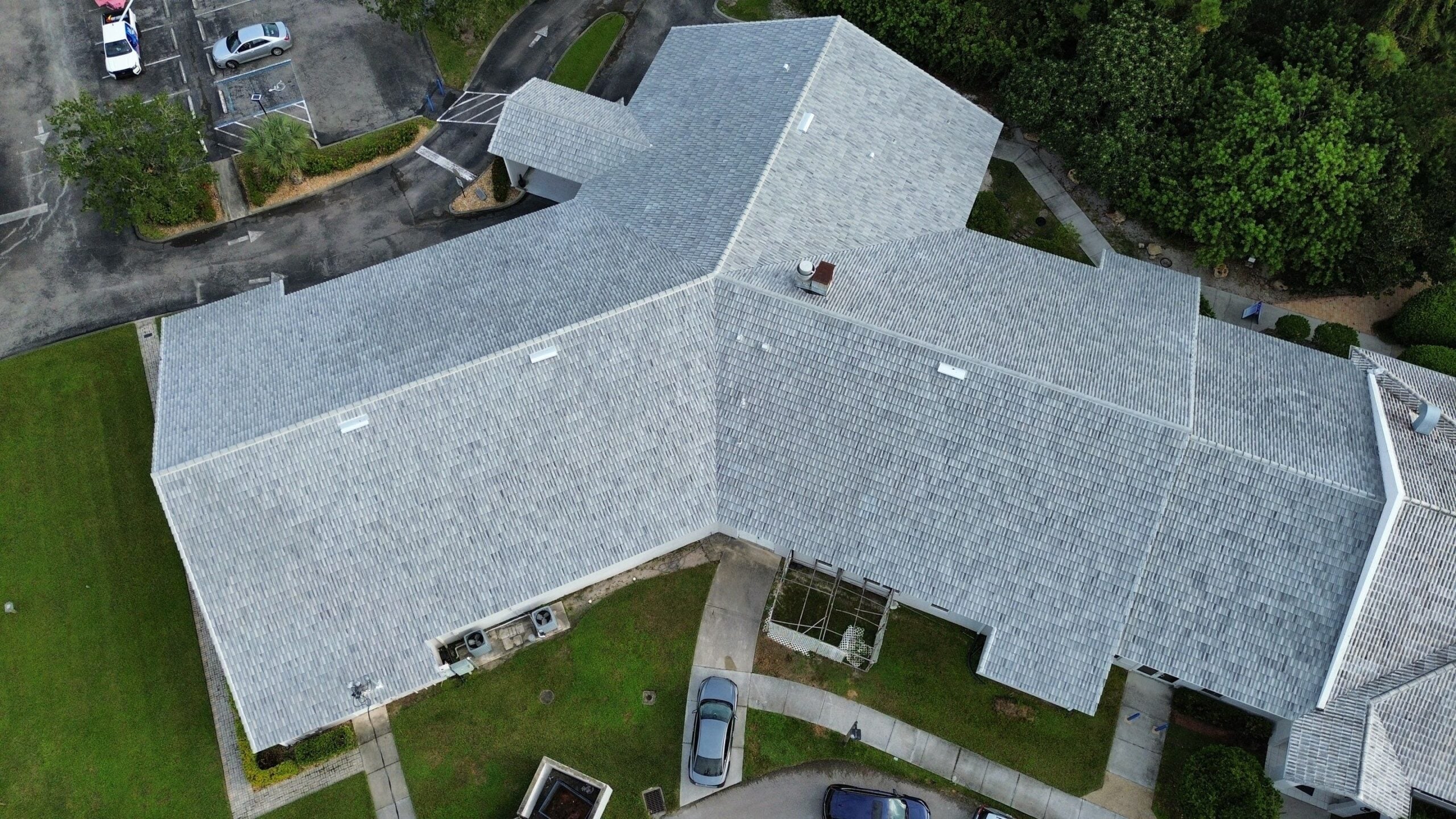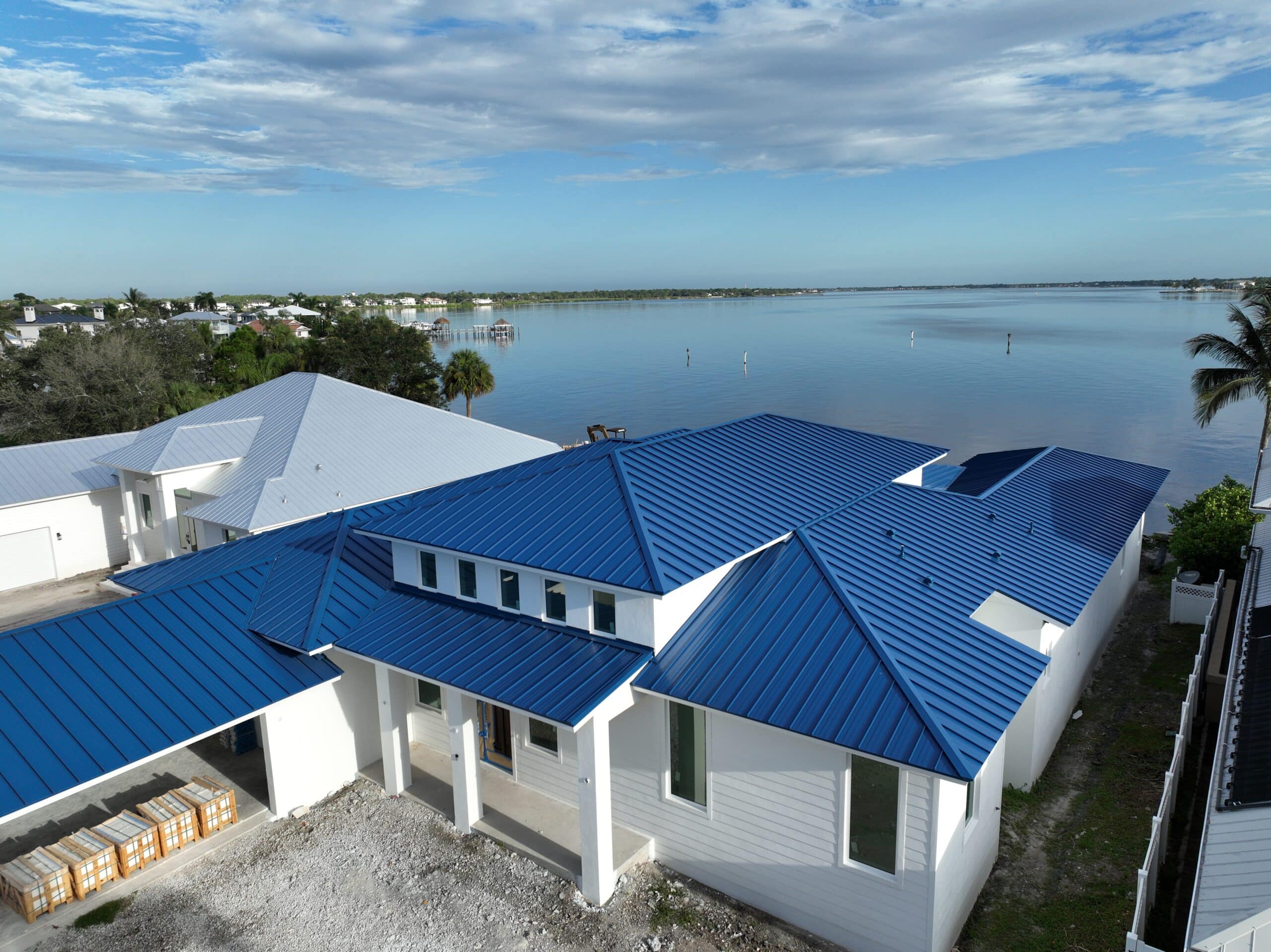



Quick Answer
A few cracked roof tiles are usually not an emergency. Isolated cracks from foot traffic, debris impact, or minor settling can typically be repaired by replacing individual tiles, without touching the rest of the roof. It becomes a bigger problem when cracking is widespread, clustered in one area, paired with water stains inside the home, or found alongside broken underlayment. Those signs point to a systemic issue, not a surface one, and usually mean it’s time for a professional inspection rather than a quick patch.
Here’s how to tell which situation you’re actually looking at.
Why Tile Roofs Handle Damage Differently Than Other Roofing Types
Tile roofing is one of the most durable roofing materials available, especially in Florida, where clay and concrete tile are common precisely because of their wind resistance and longevity. But tile has a characteristic that surprises a lot of homeowners: the tiles themselves aren’t what’s actually keeping water out.
The tiles are the outer layer. The underlayment beneath them is the real waterproofing barrier. A cracked tile, on its own, often does very little, because the underlayment underneath is still doing its job. That’s why a few cracked tiles can look alarming from the ground and turn out to be a minor, inexpensive fix. It’s also why some tile roofs that look fine on the surface can have serious underlayment problems hiding underneath.
Understanding that distinction is the key to knowing which category your roof falls into.
Signs a Few Cracked Tiles Are a Simple Repair
These situations are common, generally low-risk, and typically resolved by replacing individual tiles:
- A small number of isolated cracks, especially in one or two spots rather than spread across the roof
- Cracks caused by a known event, like someone walking on the roof, a fallen branch, or a dropped tool during other work
- No visible interior water stains on ceilings or walls beneath the affected area
- The surrounding tiles are intact and properly seated, with no gaps or shifting
- The roof is relatively young (under 15–20 years), reducing the likelihood of widespread underlayment wear
In these cases, a roofer can typically remove and replace the damaged tiles individually, matching them to your existing tile profile and color, without disturbing the rest of the roof system.
Signs Cracked Tiles Point to a Bigger Problem
These signs suggest the damage goes beyond the surface tiles themselves:
- Cracking spread across a wide area, rather than isolated to one or two tiles
- Water stains, discoloration, or damp spots on interior ceilings or walls
- Soft or spongy feeling in the attic decking, indicating moisture has reached the wood
- Tiles that are loose, shifting, or slipping out of place, not just cracked
- Visible granule or debris buildup in gutters that looks unusually heavy
- The roof is older than 20 years, which is close to the typical lifespan of the underlayment beneath most tile systems, even though the tiles themselves can often outlast it
If several of these apply, the tiles are usually a symptom, not the actual issue. The underlayment, flashing, or decking beneath the tiles may need attention, and that’s a job that requires lifting and resetting tile, not just swapping out a few broken pieces.
Why Tile Roof Underlayment Often Fails Before the Tiles Do
Clay and concrete tiles can last 50 years or more. Underlayment, historically, has not kept pace, especially older felt-based underlayment installed before more durable synthetic options became standard. This creates a common and confusing situation for homeowners: a roof with tiles that still look structurally solid but with a waterproofing layer underneath that has quietly reached the end of its life.
This is part of why a visual check from the ground isn’t enough to rule out a bigger problem. The tiles can look fine while the layer doing the actual work is failing beneath them.
What a Professional Tile Roof Repair Actually Involves
For isolated cracked tiles, repair is straightforward: removing the damaged tile, checking the underlayment directly beneath it, and setting a matching replacement tile in its place.
For widespread damage, the process is more involved:
- Tile removal in the affected area, done carefully to avoid additional breakage
- Underlayment inspection to assess condition and identify the source of any leaks
- Underlayment repair or replacement, if compromised
- Flashing check around penetrations, valleys, and roof-to-wall transitions
- Tile reinstallation, matched to the existing profile, or full replacement if tiles are too damaged or discontinued to match
This is also why matching tile is worth mentioning: older or discontinued tile profiles can be difficult to source. A qualified tile roofer will know how to find a close match, or advise honestly if a broader tile replacement makes more sense than a patchwork repair.
How Rhino Roofs Approaches Tile Roof Repair
We don’t treat every cracked tile as a reason to talk about full replacement, and we don’t treat every roof call as a repair when the underlayment tells a different story. A proper tile roof evaluation looks underneath the surface, not just at it, so the recommendation you get actually matches what your roof needs.
Request a Tile Roof Inspection
Frequently Asked Questions
Is a cracked roof tile an emergency?
Usually not. A single or a few isolated cracked tiles are typically a minor repair, since the underlayment beneath the tiles is the primary waterproofing layer. It becomes urgent if cracking is widespread or paired with interior water stains.
Can you replace just one roof tile, or does the whole section need to be redone?
In most cases, individual tiles can be removed and replaced without disturbing surrounding tiles, as long as the underlayment beneath them is intact.
How do I know if my tile roof has underlayment damage?
Common signs include interior water stains, a musty attic smell, soft or spongy decking, and tiles that are loose or shifting rather than simply cracked. A professional inspection is the most reliable way to confirm underlayment condition.
How long does tile roof underlayment last compared to the tiles themselves?
Tiles can last 50 years or more, but underlayment, especially older felt-based material, often needs replacement well before that, sometimes in the 15–25 year range depending on the product and installation.
Can I walk on a tile roof to check for damage myself?
It’s best to avoid walking on tile roofing. Tiles can crack under foot traffic even when they’re otherwise in good condition, which can create new damage rather than help identify existing damage. A ground-level or professional inspection is safer and more accurate.