
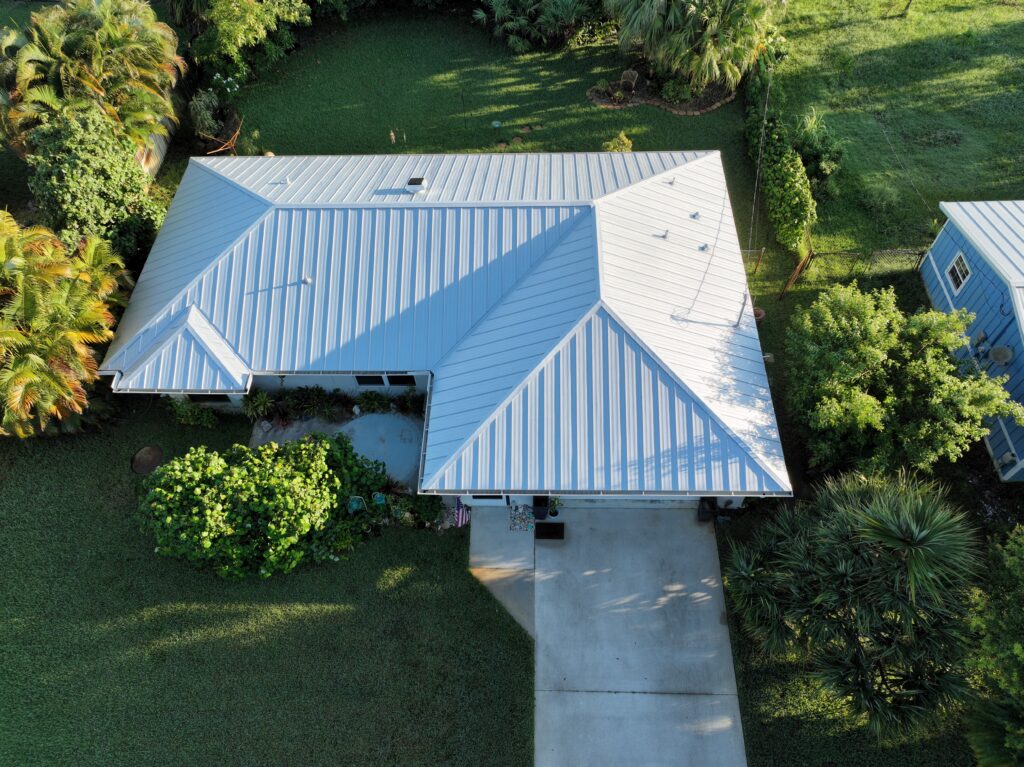
How to Think About a Roofing Project This Year: Your Complete Planning Guide

Written By: Rhino Roofs | 11 Min Read
When storm season approaches Florida’s Treasure Coast and Palm Beach areas, homeowners face a critical question: is this the year to replace your roof? Understanding what’s actually involved—and planning accordingly—can mean the difference between a project you control and one that controls you.
Understanding the Roof Replacement Timeline
A roof replacement timeline varies significantly based on scope, weather conditions, material availability, and what we find once the old roof comes off. The complete project—from initial consultation to final cleanup—depends on multiple factors unique to each home and situation.
Breaking Down Each Phase
Early Phase: Planning and Preparation
The journey begins with a thorough roof inspection. During this phase, we assess damage, take measurements, and identify any underlying structural issues. In Florida, we’re looking specifically for wind damage from hurricanes, moisture intrusion from heavy rainfall, and degradation from UV exposure—the three factors that end most roofs in this climate.
Permitting and Material Selection
Florida building codes are among the strictest in the nation, and for good reason. Permitting complexity varies by county and scope—it’s often one of the most variable parts of the process. This is also when you’ll finalize your material choices—a decision that impacts both your timeline and how your roof performs for the next two decades.
Installation Phase
Once installation begins, progress is steady and deliberate — but timelines vary significantly by roof system. A shingle roof may move faster, while metal and tile roofs involve additional steps that prioritize precision and long-term performance over speed. Afternoon thunderstorms during summer months can extend timelines, which is why we build buffer time into every Florida project.
Timeline Comparison by Roof Type
Different roofing materials have different installation requirements and complexity levels:
- Asphalt Shingle: Lower complexity, best installed during dry season
- Metal Roofing: Medium complexity, ideal during cooler months
- Tile (Concrete/Clay): Higher complexity, winter installation preferred
- Flat/Low-Slope: Medium-high complexity, winter months optimal
How to Plan for a Smooth Roof Replacement Project
Strategic planning doesn’t just make roof replacement manageable—it gives you control over one of your home’s most important systems.
Start With Timing: The Florida Reality
Florida’s climate creates distinct windows of opportunity for roofing work. Scheduling during the dry season reduces weather-related delays significantly. This window offers cooler temperatures, less humidity, and minimal rain interruption—all critical when working with adhesives and sealants that require specific curing conditions.
We see this consistently: homeowners who schedule during summer months face delays they could have avoided entirely. Winter months also bring better contractor availability. While northern states deal with frozen ground and snow delays, Florida contractors can work consistently, often offering more flexible scheduling during this period.
Financial Planning and Cost Considerations
Roof replacement represents a significant five-figure investment. The actual cost depends on materials, roof size, complexity, and the specific performance requirements of your home in Florida’s climate.
Cost Variables to Consider:
Material selection matters more than most homeowners realize. The difference isn’t just aesthetic—it’s about performance, longevity, and how the roof handles Florida’s specific challenges.
Roof pitch and accessibility affect labor costs significantly. Steeper roofs increase labor requirements substantially, not because contractors want to charge more, but because the work is genuinely more difficult and dangerous.
Required structural repairs often emerge once the old roof comes off. Wood decking replacement adds to project scope. We’ll talk about this more below, but a significant portion of projects uncover unexpected damage. Planning for this possibility prevents difficult decisions when your roof is already torn off.
Hurricane-rated fasteners and underlayment are required by Florida code and add to material costs. This isn’t optional, and it’s not negotiable. Your roof needs to meet these standards.
Disposal fees for old roofing materials factor into overall project cost. This gets overlooked in many estimates, which is why we break it out clearly.
Many homeowners finance their roofing projects, and planning ahead provides better terms than seeking emergency funding after a roof failure. If financing makes sense for your situation, start that conversation early in the process.
Selecting the Right Roofing Contractor: Your Most Important Decision
The contractor you choose determines whether your timeline reflects reality or wishful thinking.
At Rhino, these qualifications are non-negotiable:
- Active Florida state certification (contractors must hold a valid license)
- Current general liability insurance and workers’ compensation coverage
- Local references from recently completed projects
- Manufacturer certifications for premium warranty eligibility
- Verifiable business history and reputation
We provide detailed written estimates that break down labor, materials, permits, and timeline expectations. This takes time to prepare accurately—which is why estimates that arrive within minutes of inspection should raise questions. Thorough proposals require actual thought.
The cheapest bid often becomes the most expensive roof when you factor in callbacks, warranty issues, and premature failure. We’ve seen this pattern repeatedly: homeowners choose based solely on price, then spend years dealing with problems that a qualified contractor would have prevented.
Preparing Your Property for Installation Day
Proper preparation minimizes delays and protects your belongings. Well before your scheduled start date, begin these preparations:
Exterior Preparations:
- Remove vehicles from the driveway and garage (falling debris can damage windshields and paint)
- Clear a perimeter around your home’s foundation (provides access for workers and protects landscaping)
- Trim tree branches near the roof line
- Cover or relocate outdoor furniture, grills, and decorative items
- Secure or remove loose items from gutters and downspouts
Interior Preparations:
- Remove wall hangings and fragile items from top shelves (vibration from tear-off can dislodge items)
- Cover attic belongings with tarps to protect from dust infiltration
- Arrange alternative accommodations for noise-sensitive individuals or pets
- Plan for limited access to certain areas of your yard
Roof replacement creates significant vibration throughout the home. Many mid-project issues relate to items falling from walls—completely preventable with proper preparation.
Navigating Potential Challenges and Delays
Even with careful planning, roof replacement projects encounter obstacles. Understanding common issues helps you respond effectively rather than reactively.
Weather Considerations in Coastal Florida
South Florida’s climate presents unique challenges, with the wettest months coinciding with hurricane season. Weather delays aren’t just inconvenient during this window—they’re guaranteed.
We use advanced weather tracking to schedule work around precipitation, but unexpected afternoon thunderstorms can halt work mid-day. Safety regulations prohibit work when surfaces are slippery, which means we cannot operate on wet roofs regardless of timeline pressure.
This is why we don’t start installs without a weather contingency plan:
- We build buffer days into expected timelines during rainy season
- We maintain overnight protection systems for exposed roof decking that meet Florida’s wind rating requirements
- We communicate weather delays Johnny immediately, not after the fact
Material Supply Chain Realities
Specialty materials like colored metal panels or premium architectural shingles may require extended lead times for delivery, particularly during peak season in Florida, when hurricane preparation drives demand.
At Rhino, we confirm material availability before signing contracts rather than assuming inventory availability. Once permits are approved, we lock in materials and production timelines based on your specific roof system. Some components are fabricated specifically for your project, while others are sourced from trusted suppliers we work with every day. This ensures everything is ready when installation begins — not sitting exposed, and not backordered after tear-off.
Structural Surprises and Hidden Damage
A significant portion of roof replacement projects uncover unexpected damage to underlying decking or structural components. In Florida’s humid climate, this often involves wood rot from moisture intrusion or termite damage that wasn’t visible during initial inspection.
These discoveries can extend your timeline and add to your project cost. No one welcomes unexpected expenses, but here’s the reality: addressing structural issues during roof replacement is far more cost-effective than discovering them later when repairs require removing a new roof.
This is where most roofing projects fail—not because of the discovery itself, but because homeowners weren’t prepared for the possibility.
Making the Most of Your Investment
A new roof represents one of the most significant home improvement investments you’ll make. Understanding what you’re actually getting matters.
Understanding Warranty Protection
Roofing warranties come in two distinct types, and the difference is crucial for long-term protection.
Manufacturer’s Material Warranty covers defects in the roofing materials themselves. These warranties can extend for decades, but the actual coverage often decreases over time on most products. Premium warranties require specific installation methods and may be void if installed by non-certified contractors.
Contractor’s Workmanship Warranty covers installation errors and duration varies depending on the contractor. This warranty is often more valuable than the material warranty, because most roofing problems stem from improper installation rather than material defects.
In our experience, workmanship matters more than materials in determining how long a roof actually lasts. Get this warranty in writing and verify the company’s longevity—a long warranty means nothing if the company closes shortly after installation.
Energy Efficiency and Insurance Benefits
Florida’s intense sun exposure makes your roof a critical factor in home energy consumption. Cool roof technologies can reduce roof surface temperatures substantially, lowering cooling costs significantly.
Energy-Smart Roofing Choices:
- Light-colored or reflective roofing materials that are ENERGY STAR® rated for energy efficiency
- Proper attic ventilation (Florida building code has specific ventilation requirements)
- Radiant barrier underlayment that reflects radiant heat
- Adequate insulation (Florida building code has specific insulation requirements)
Many Florida insurers offer premium discounts for impact-resistant roofing materials rated Class 4 by Underwriters Laboratories. These materials better withstand hail and wind-borne debris, reducing claim likelihood. Additionally, a new roof often eliminates the mandatory inspection requirements that insurers impose on older roofs.
Increasing Your Home’s Market Value
Roof replacement recoups a significant portion of its cost at resale in Florida markets. But this average doesn’t tell the complete story. A failing roof can derail a sale entirely, while a new roof removes a significant negotiation barrier and buyer concern.
We consistently see this pattern: new roofs accelerate sales and reduce listing-to-closing timelines. In competitive markets like Palm Beach County, where buyers have options, a new roof can differentiate your property and justify premium pricing.
Creating Your Personal Roof Replacement Roadmap
Here’s a practical framework for optimal planning:
Early Planning Phase (Well in Advance):
- Schedule professional roof inspection to assess condition and remaining lifespan
- Research contractors, verify credentials, and interview top candidates
- Review financing options and begin saving if paying cash
- Photograph current roof condition for insurance documentation
Pre-Project Phase:
- Request detailed estimates from multiple licensed contractors
- Compare proposals line-by-line, not just total cost
- Select contractor and schedule installation window
- Begin gathering financing documents if needed
Material Selection and Permitting:
- Finalize material selections and color choices
- Contractor submits permit applications
- Order any long-lead-time specialty materials
- Notify neighbors about upcoming project
Pre-Installation:
- Confirm installation schedule and crew size
- Complete property preparations (clear perimeter, protect belongings)
- Arrange alternative accommodations if needed for vulnerable household members
- Take final “before” photos for records
Installation Period:
- Maintain open communication with project manager
- Be available for quick decisions if unexpected issues arise
- Keep children and pets away from work areas
- Document daily progress with photos
Post-Installation:
- Complete thorough walkthrough with contractor
- Obtain all warranty documentation and final permits
- Update homeowners insurance with new roof information
- Schedule annual maintenance inspections
The Strategic Advantage of Planning Now
Thinking about your roofing project this year—rather than waiting for an emergency—provides leverage that reactive homeowners never experience. You control the timeline, you negotiate from a position of strength, you schedule during optimal weather, and you select from the area’s best contractors rather than whoever is available during crisis mode.
In Florida’s climate, where roofs face relentless sun, hurricane-force winds, and torrential rain, a strategic approach to replacement isn’t optional. Waiting for failure removes every advantage a homeowner has.
Whether your roof shows obvious signs of failure or you’re approaching the typical lifespan for Florida installations, beginning the planning process now positions you for control rather than reaction. The homeowners who navigate roof replacement most smoothly aren’t lucky—they simply refused to wait until they had no choice.
For Treasure Coast and Palm Beach residents, this year presents an opportunity to address one of your home’s most critical components on your terms, with your timeline, and with the contractor you choose rather than the one available in an emergency.
We don’t rush roofs. We plan them — so you stay in control, not reacting to emergencies or surprises. About Rhino Roofs: Serving Florida’s Treasure Coast and Palm Beach communities with expert roofing solutions built for Florida’s unique climate challenges. Licensed, insured, and committed to transparent communication throughout your roof replacement timeline.