

It’s one of the first questions homeowners ask after getting an estimate: how long is this actually going to take? The honest answer is that roof replacement timelines vary more than most contractors admit upfront. Material type, home size, roof complexity, weather, and permit processing all play a role. This guide breaks it down clearly so you know exactly what to expect before the crew shows up.
The short version: most asphalt shingle roofs on average-sized homes are done in one to two days. Tile roofs take five to ten business days. Metal roofs fall somewhere in between, typically three to seven days. But the real timeline starts before any shingles are touched, and that’s where most homeowners are caught off guard.
Please note: All timelines in this guide are typical ranges, not guarantees. Actual project duration can vary based on permitting, weather, roof complexity, material availability, inspections, hidden damage, HOA requirements, and scheduling.
The Roof Replacement Timeline: From Permit to Final Inspection
Before a single piece of material comes off your roof, a few things need to happen. Understanding the full sequence, not just the installation day, gives you a realistic picture of the total project length.
Step 1: Permit Approval (2 to 5 Business Days)
In Florida, a roofing permit is required for any full replacement, no exceptions. This is a consumer protection measure, not a formality. Permitted work means the installation is subject to a mandatory inspection by a licensed county inspector, which protects you against substandard work.
Most counties in South Florida process roofing permits within two to five business days. Some offer expedited review for an additional fee. If a contractor tells you they can start immediately without mentioning a permit, that is a serious red flag. Unpermitted roofing work can affect your homeowner’s insurance coverage and create significant problems if you sell the home.
It’s also worth noting that permitting delays aren’t always within a contractor’s control. Some Florida municipalities and counties experience longer review backlogs than others, and even an organized, responsive contractor often has little or no ability to accelerate a government approval timeline. If your project runs longer than expected at the permitting stage, that’s usually a reflection of local processing volume rather than how the job is being managed.
Rhino Roofs handles permitting as a standard part of every residential roof replacement we complete. It’s built into the process, not an afterthought.
Step 2: Material Ordering and Delivery (1 to 5 Business Days)
Most standard shingle colors and profiles are available quickly. Specialty tile profiles, custom metal panel colors, and certain premium underlayment products can take longer to source. Your contractor should confirm material lead times at the time of estimate, especially for tile roofs where matching an existing profile matters.
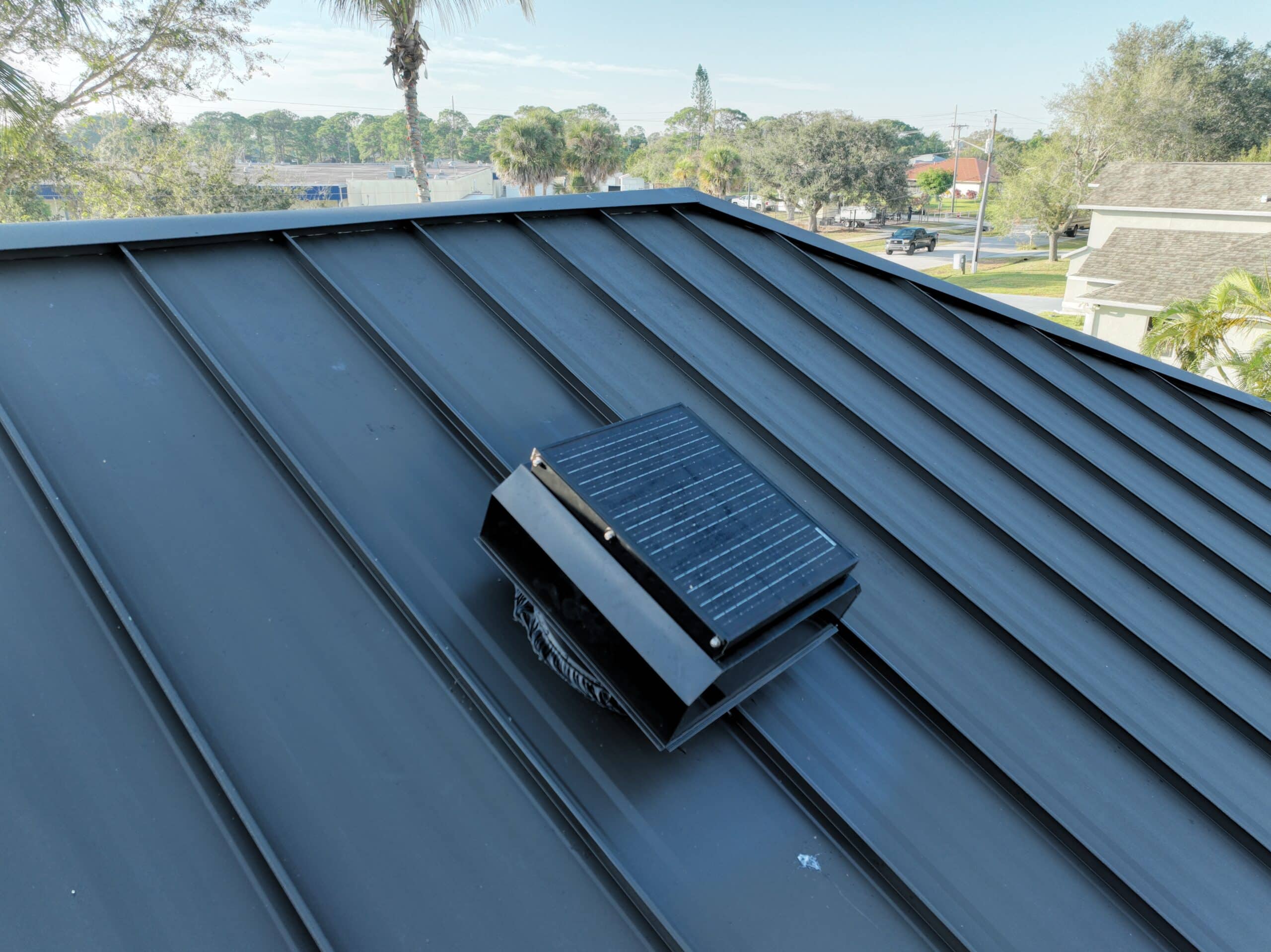
For custom metal roofing systems, timelines can vary depending on manufacturing requirements. However, some roofing companies manufacture their own panels in-house, allowing production to occur while permits are being processed and helping minimize delays between approval and installation. Rhino Roofs fabricates its own metal roofing panels, so material production can often move forward during the permitting phase rather than waiting until after approval to begin.
Step 3: Installation (See Breakdown by Roof Type Below)
Step 4: Final Inspection (1 to 3 Business Days to Schedule)
After installation is complete, a county inspector must sign off on the work before the permit is closed. In most South Florida counties, inspections are scheduled within one to three business days. Your contractor coordinates this on your behalf. Until the inspection is passed and the permit is closed, the job isn’t officially done, even if it looks finished from the street.
The full project timeline from permit application to closed permit is typically two to three weeks for most residential roofs. The physical installation itself is a fraction of that.
Roof Replacement Time by Material Type
Asphalt Shingle Roof: 1 to 2 Days
Asphalt shingles are the fastest material to install, which is one of the reasons they remain popular for homeowners who want minimal disruption. On a standard home between 1,500 and 2,500 square feet with a straightforward roof design, an experienced crew can tear off the old shingles, inspect and replace damaged decking, install new underlayment, and complete the shingle installation in a single day.
Larger homes, steeper pitches, multiple roof lines, or significant decking damage can push this to two days. For very large homes or complex architectural roofs with many valleys, dormers, or angles, three days is reasonable.
What affects the timeline most with shingles isn’t the installation itself; it’s what the crew finds when they pull the old material off. Rotted decking, deteriorated underlayment, or damaged flashing in multiple areas adds time. A good contractor will give you an honest estimate of what they expect to find based on the roof’s age and condition, but some discoveries only become visible once the old material is removed.
Typical timeline by home size:
- Under 1,500 sq ft: 1 day
- 1,500 to 2,500 sq ft: 1 to 2 days
- 2,500 to 3,500 sq ft: 2 days
- Over 3,500 sq ft or complex design: 2 to 3 days
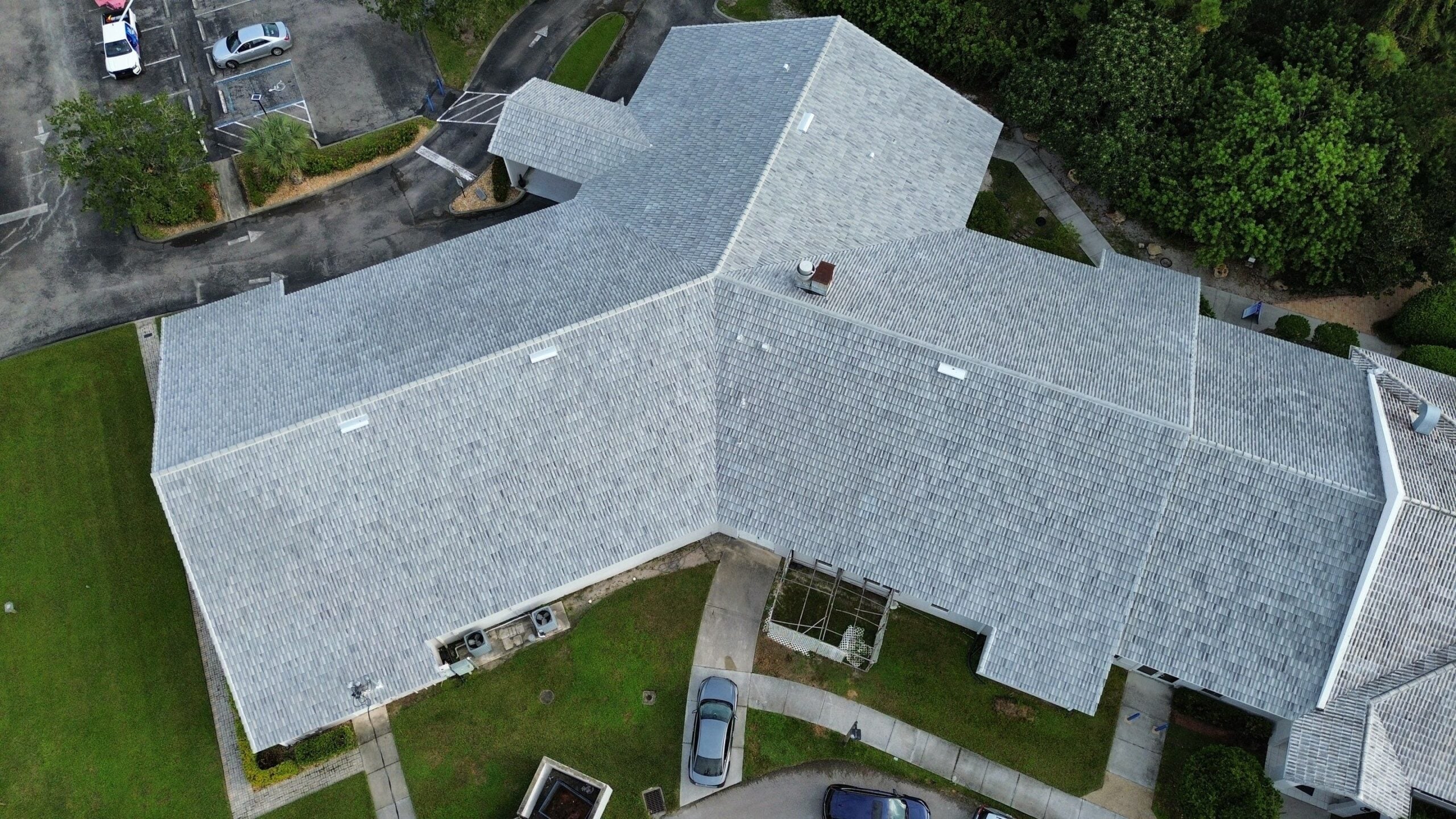
Tile Roof (Concrete or Clay): 5 to 10 Business Days
Tile roofs take considerably longer than shingles, and it’s worth understanding why. Each tile is installed individually by hand. On a 2,000 square foot roof, that can mean setting thousands of individual pieces. There’s no shortcut to that process, and any contractor who promises a tile roof in two days should be asked some pointed questions.
The tearoff phase for tile is also more involved. Concrete and clay tile is heavy material, and removal has to be managed carefully to avoid damaging the underlying decking or structure. Once the old tile is off, the crew inspects and replaces the underlayment, which in Florida is subject to specific building code requirements due to hurricane exposure, then sets the tile course by course.
For a standard home in the 1,500 to 2,500 square foot range, five to seven business days is realistic. Larger homes, hip roofs with multiple angles, or any roof requiring custom cuts around dormers and skylights can take eight to ten business days or longer.
Tile roof replacement in South Florida also involves code compliance that has evolved significantly over the past decade. Florida Building Code now requires specific underlayment systems beneath tile in high-velocity hurricane zones. This adds material handling time but it also adds meaningful long-term protection to your home.
Typical timeline by home size:
- Under 1,500 sq ft: 4 to 6 business days
- 1,500 to 2,500 sq ft: 5 to 7 business days
- 2,500 to 3,500 sq ft: 7 to 9 business days
- Over 3,500 sq ft or complex design: 10 to 14 business days
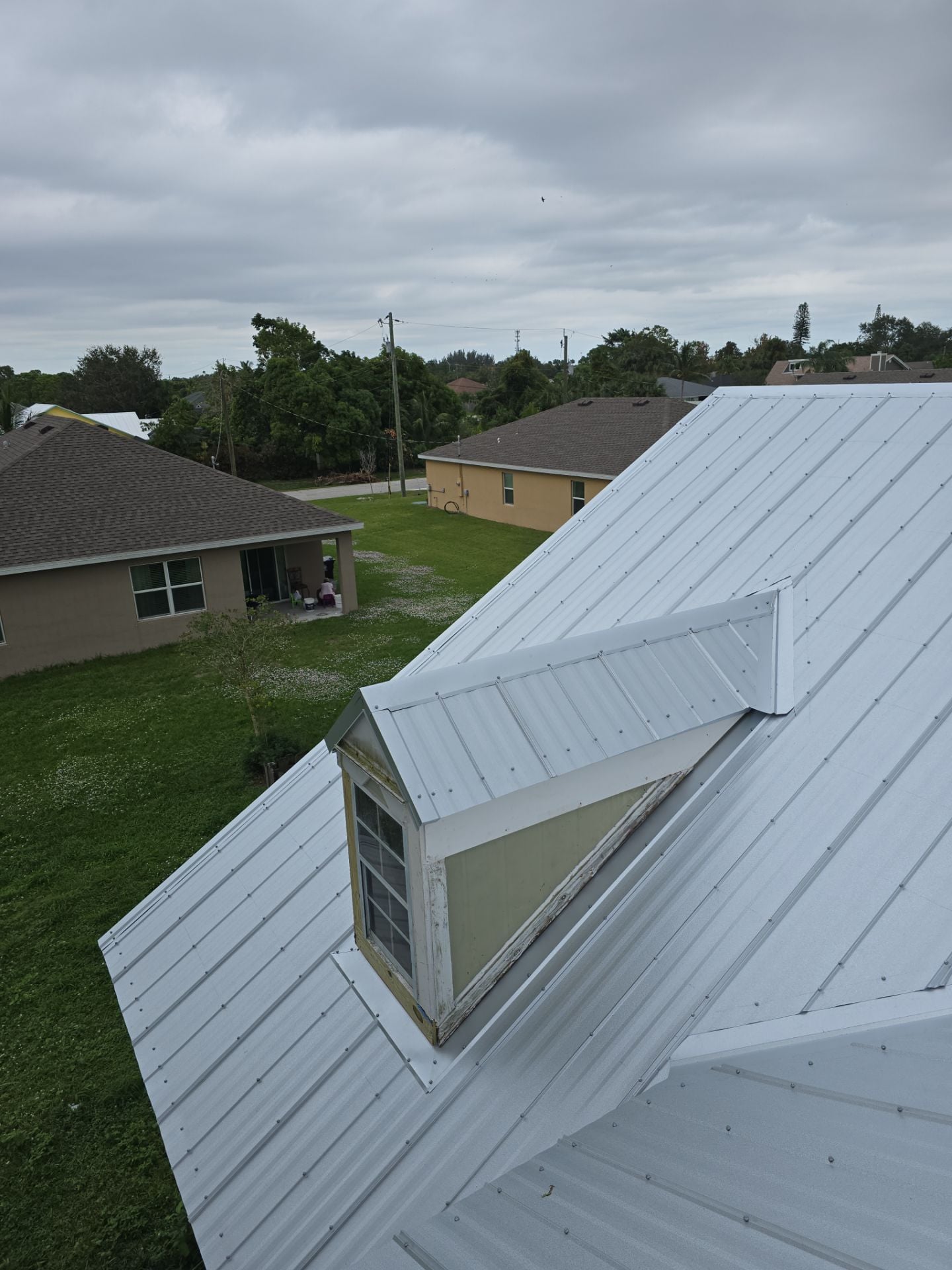
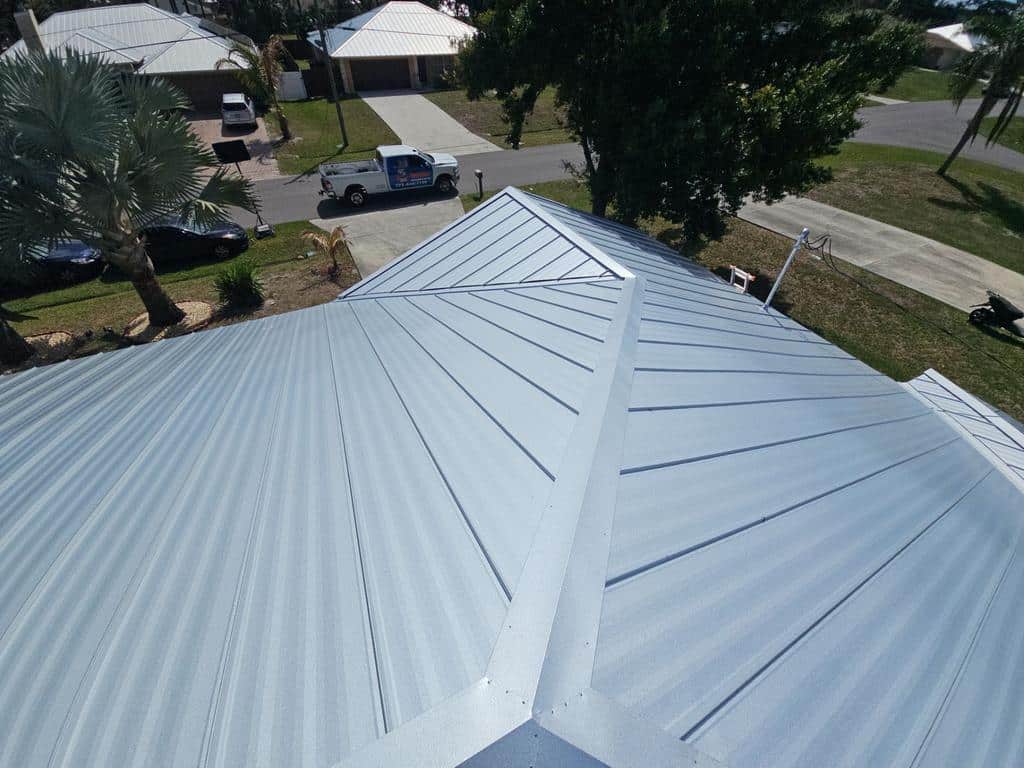
Metal Roof (Standing Seam or Metal Tile): 3 to 7 Days
Metal roof installation sits between shingles and tile in terms of time commitment. The panels themselves are measured, cut, and often fabricated specifically for your roof, which means more precision work and less room for on-the-fly adjustments.
Standing seam metal roofs, where panels interlock vertically and fasteners are hidden beneath the seams, require careful alignment throughout the installation. Getting it right takes more time than shingles, but the result is a roof that routinely lasts 40 to 70 years with minimal maintenance in Florida’s climate.
Metal tile profiles, which replicate the look of tile or slate at a lower weight, can move faster than standing seam because the installation process is more similar to traditional roofing. For most homes, three to five days is realistic for metal tile, while standing seam on a larger or more complex home can take the full five to seven days.
Metal roofing is worth the additional installation time for homeowners who are thinking about their roof as a long-term investment. The per-day installation cost is higher, but the replacement cycle is dramatically longer than asphalt.
Typical timeline by home size:
- Under 1,500 sq ft: 2 to 3 days
- 1,500 to 2,500 sq ft: 3 to 5 days
- 2,500 to 3,500 sq ft: 4 to 6 days
- Over 3,500 sq ft or complex design: 5 to 7 days
What Can Delay a Roof Replacement in Florida?
Florida homeowners need to factor in a few variables that don’t apply in drier climates.
Rain and Wind Days
Florida’s rainy season runs roughly June through September, with afternoon storms being a near-daily occurrence. Most roofing crews work in the mornings and monitor radar closely. A partially exposed roof cannot be left open in the event of afternoon rain, so crews plan around weather windows. This is standard, and a good contractor builds weather contingency into the project timeline rather than pretending it doesn’t exist.
Decking Replacement
When crews remove old material, damaged or rotted decking is one of the most common causes of extended timelines. If you have an older roof, or if the roof has had any history of leaks, there’s a realistic chance some portion of the decking will need replacement. This adds material cost and one to two additional days depending on the extent of the damage.
Storm Damage Discoveries
Storm damage that wasn’t visible from the exterior sometimes reveals itself fully only once the tear-off begins. Hidden damage to fascia boards, rafters, or ridge boards can add scope to a project that initially looked straightforward.
HOA Requirements
Some communities in Palm Beach County and the Treasure Coast have HOA approval requirements for material changes or color changes. If you’re changing from shingles to tile, or switching tile colors, confirm with your HOA before the estimate so approval doesn’t delay your start date.
What to Ask Your Contractor About Timeline
Before work begins, these are the questions worth asking:
Has the permit been submitted? Work should not start before the permit is pulled. If you’re not sure, ask for the permit number and confirm it with your county.
How do you handle weather delays? You want to hear a real answer about their process, not a vague reassurance. Good contractors track radar daily and have a defined protocol for securing a partially exposed roof.
What happens if you find decking damage? Ask how they handle scope changes, how they communicate them, and whether pricing is agreed upon before additional work begins.
Who do I contact if I have questions during the project? On a real project, you should have a specific person’s name and contact number, not a general office line.
Frequently Asked Questions
How long does a roof replacement take on an average home?
Most average-sized homes between 1,500 and 2,500 square feet with asphalt shingle roofs can be completed in one to two days. Larger homes, complex roof designs, or premium materials like tile or metal extend that timeline to anywhere from three days to two weeks. The full project timeline including permitting and final inspection is typically two to three weeks.
How long does a tile roof replacement take?
Tile roof replacements typically take five to ten business days for an average-sized home. The process involves removing existing tile, inspecting and replacing underlayment and decking, then hand-setting each tile individually. Larger or more complex roofs can take two to three weeks.
How long does a metal roof replacement take?
Standing seam metal roofs generally take three to seven days to install, depending on the size and pitch of the roof. Metal panels require precise measurement and fabrication, and installation is typically more deliberate than shingles but faster than tile.
What can delay a roof replacement?
Common delays include rain or high wind days, discovery of rotted decking, permit processing times, and material supply lead times. In South Florida, permit approval timelines vary by county and can add two to five business days before work can begin.
Do I need to leave my home during a roof replacement?
No. Most homeowners stay in their homes throughout the replacement. It will be louder than a normal day, but the process doesn’t require you to vacate. Your contractor should confirm access needs, particularly for attic access and driveway use, before work begins.
How long does the permit process take for a roof replacement in Florida?
In most South Florida counties, roofing permits are processed within two to five business days. Some counties offer expedited review. Your contractor should pull the permit before work begins. If a contractor suggests skipping the permit, that is a serious red flag.
What a Realistic Project Looks Like, Start to Finish
To make this concrete, here’s what the complete timeline looks like for a typical Rhino Roofs tile replacement on a 2,200 square foot home in Palm Beach County:
- Day 1 to 2: Estimate, material selection, and contract signed
- Day 3: Permit application submitted
- Day 5 to 7: Permit approved
- Day 6 to 8: Materials delivered to site
- Day 8 to 9: Tear-off begins, decking inspected
- Day 9 to 14: Tile installation
- Day 15 to 17: County inspection scheduled and completed
- Day 17 to 18: Punch list, cleanup, and job closed
Total elapsed time from signed contract to completed permit: roughly three weeks. Actual installation time on the roof: six to seven days.
Understanding the full sequence matters because it sets realistic expectations. The installation itself is the visible part. The process around it is what separates a smooth project from a frustrating one.
Ready to Get a Real Timeline for Your Roof?
Every roof is different, and the only way to get an accurate timeline for your specific home is a proper assessment that looks at your material, your roof’s condition, and any scope that might affect the schedule.
Rhino Roofs works with homeowners across the Treasure Coast and Palm Beach County area with full transparency from the first conversation through the final inspection. If you want a straight answer about what your replacement will actually involve, contact our team for an honest estimate.