
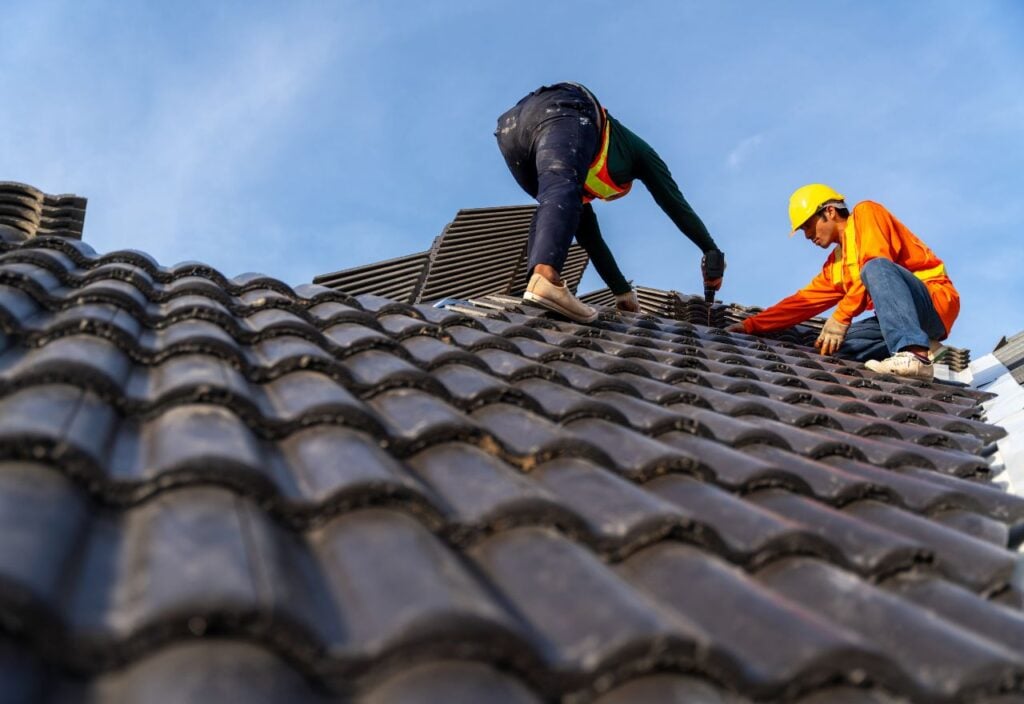
How to Find a Contractor Who Can Fix Poor Roofing Work from a Previous Installer

Written By: Rhino Roofs | 13 Min Read
When a Roof Goes Wrong
There’s nothing more frustrating than stepping back, looking at your home, and realizing something feels off. Maybe you just got a roof installed a few months ago, maybe even last year, and here you are again seeing stains on the ceiling or shingles lifting like they’re ready to take flight. It’s a punch to the gut. You trusted someone, you paid good money, and now you’re dealing with new headaches on something that should’ve given you peace of mind.
Sadly, we see this sort of thing all the time across the Treasure Coast and Palm Beach County. Folks call us with the same story. Someone knocked on their door after a storm, promised a fast fix, offered a too-good-to-be-true price, and disappeared the moment the roof started falling apart. Or the installer wasn’t licensed. Or they rushed the job. Or they cut corners that no homeowner would ever catch until months later. And before you know it, leaks start showing up, flashing pulls loose, and the whole thing becomes a bigger deal than it ever should’ve been.
Poor workmanship happens for a handful of reasons. Sometimes the installer just didn’t know what they were doing. Other times, they used cheap materials or skipped critical steps. We’ve seen roofs with no underlayment, no ventilation, or nails placed wherever they pleased. By the time a homeowner notices, the damage has already spread under the surface. And that’s the part that hurts the most. The stuff you can’t see until it’s too late.
Fixing it early matters. A small leak today can turn into rotten decking tomorrow. A missing piece of flashing can cause mold before you even smell it. And suddenly you’re not looking at a small repair anymore. You’re staring down a major expense that could’ve been avoided if caught sooner.
That’s why finding the right contractor to step in and repair poor roofing work from a previous installer is so important. Someone who knows how to troubleshoot. Someone who actually climbs up there, studies the issues, figures out what went wrong, and gives you a real plan. As a family and veteran owned company, BBB Accredited, and certified as an installer for Drexel Metals and TAMKO Titan Pro, we’ve helped countless homeowners fix these kinds of messes. And let me tell you, when the right roofer steps in, the relief on a homeowner’s face says everything.
Fixing someone else’s mistake takes skill. It takes patience. And it takes a roofer who truly cares about protecting your home and your family. So let’s walk through how to find a contractor who can truly repair poor roofing work from a previous installer and get your home back where it belongs.
Signs You’re Dealing With Poor Roofing Work
Sometimes the problems jump right out at you. Sometimes they hide for a while. Either way, the roof always tells the truth if you know where to look.
The most common sign is spotting water stains inside your home. Brown rings on the ceiling, peeling paint around vents, or damp drywall all point to moisture sneaking in from above. These issues often start small, maybe only showing up after heavy rain, but trust me, once water begins its slow crawl, it will not stop until it finds a way out. Homeowners usually discover this too late because they assume a brand new roof could never have issues.
Another red flag we see all the time is shingles lifting or curling. When shingles don’t lie flat, wind can peel them back, rain can sneak under them, and everything beneath becomes exposed. Sometimes the installer didn’t use the right nails. Sometimes they skipped adhesive. Sometimes they placed shingles out of alignment, and the whole pattern becomes uneven. If it doesn’t look uniform from the street, something is definitely wrong.
Improper flashing is another troublemaker. Flashing is what keeps water out of the most vulnerable areas. Chimneys. Valleys. Vents. Skylights. We’ve seen flashing installed backwards, upside down, or not sealed at all. And once water gets through any of these areas, it travels far before it shows up inside. Missing or exposed nails also signal sloppy work. When a roofer nails too high or too low or doesn’t cover the nail heads, water slips right into the decking.
Gutters also reveal poor workmanship. If water flows over the sides instead of down the spouts, or if the drainage points don’t match the roof’s slope, that water can push right back under the edge of the roof. And then you get wood rot. Mosquito breeding points. Foundation issues. It’s never just one thing. Roof problems always spread.
Ventilation is another overlooked issue. Without airflow, heat builds up in the attic, moisture gets trapped, and shingles age faster than they should. A roof can look brand new but fail within a few short years simply because it couldn’t breathe.
And finally, one of the biggest warning signs is missing paperwork. A legitimate roofer always provides warranties, product details, and proof of materials. If your previous installer left you with nothing, chances are they already knew the work wouldn’t hold up.
These signs don’t just point to poor craftsmanship. They point to deeper trouble waiting to surface. And the earlier you catch them, the better chance you have of saving both your home and your wallet.
Why You Need the Right Contractor for a Repair or Re-Roof
Fixing poor roofing work isn’t the same as installing a roof from scratch. Repairing a botched job requires a contractor who knows how to diagnose problems. Not just look at them. Someone who listens, climbs up there, studies the root cause, and doesn’t jump straight to a quick patch.
A true professional understands how water travels, how roofing systems breathe, how materials interact, and how every layer beneath the surface plays a role in keeping your home dry. When someone else messed it up, the next roofer has to work twice as hard to reverse the damage. That’s why not every contractor takes on these fix-it jobs. They’re challenging. Time consuming. And they require someone who actually cares about doing the job correctly.
Hiring a licensed and insured roofing contractor means you’re trusting someone who’s accountable. Someone who’s trained. Someone who follows building codes and uses materials the way they were meant to be used. It also means you get a warranty that actually means something. Not a vague promise scribbled on a piece of paper.
Short-term patch jobs might look fine for a moment. But all they do is delay the inevitable. A roof that’s repaired properly, on the other hand, protects your investment for years. Maybe decades. Especially if it’s done with premium metal roofing solutions or quality shingles installed according to manufacturer standards.
We’ve stepped in countless times to fix roofs someone else rushed through, and you can always tell which installers cut corners. The difference between a good roofer and a careless one shows up the moment we lift the first shingle.
The right contractor won’t just fix the problem. They’ll explain it. They’ll point out what went wrong. They’ll show you photos. They’ll walk you through your options. And most importantly, they’ll help you feel confident again.
Step 1: Document the Problems
Before you start searching for a new roofer, grab your phone and take photos. Lots of them. Pictures of leaks. Pictures of lifted shingles. Pictures of anything that looks off. Videos help too. Especially if the issue only shows up when it rains. Moisture trails, overflowing gutters, dripping points. All these help the next contractor understand what’s happening.
If you still have your old contract or any paperwork from the installer, hold onto it. Even if it’s incomplete. Even if it’s useless. It still helps give context. Sometimes, manufacturers require proof that materials were installed correctly, and your new contractor needs to know what was originally used.
Make a list of recurring problems. When the leak appears. How often it shows up. Which rooms it affects. Whether the issues started immediately or gradually. These little details tell a bigger story.
All of this saves time when the new contractor arrives. It speeds up the inspection. It helps them spot patterns. And it prevents miscommunication down the road.
Step 2: Search for Local, Established Roofing Experts
When you’re looking for someone to fix bad roofing work, start local. A long-standing roofing contractor in your area already knows the weather patterns, the building codes, and the common problems homeowners deal with. They also have something the storm chasers don’t. Roots. A real presence.
Avoid anyone who shows up offering a cheap deal if you pay in cash. Avoid traveling crews who follow storms from town to town. They rarely stick around long enough to honor warranties.
Look for roofing companies with a physical address you can visit. Check their service area and years in business. Local companies survive because they do good work and stand by their repairs. Because if they didn’t, word would spread fast.
A trusted roofer has crews that show up in uniform, trucks with their logo, and proper identification. They answer their phone. They return your messages. They have office staff who help you schedule inspections. And they’re not afraid to list their certifications. For instance, here at Rhino Roofs, being Drexel Metals certified and a TAMKO Titan Pro installer speaks volumes about the work we do and the training we maintain.
Step 3: Check Online Reputation and Verified Reviews
Now comes the part every homeowner should do, but many skip. Look up reviews. Real ones. Verified ones.
Google is a great place to start. BBB ratings matter too. Facebook, Yelp, and community boards also provide insight. Don’t just look at the stars. Read the comments. Read what people actually say about their experience.
Look for patterns. If multiple homeowners mention leaks, slow response times, or poor cleanup, that’s a bad sign. If they mention friendly crews, on-time appointments, and quality craftsmanship, that’s someone worth calling.
Pay attention to how the contractor responds to negative reviews. Do they own up to mistakes? Do they try to fix issues? Or do they ignore complaints altogether? Responsiveness says everything about reliability.
Step 4: Ask the Right Questions Before Hiring
When you find a contractor that seems promising, ask questions. Lots of them.
Try questions like:
• Do you specialize in repairing poor installations
• Can you explain how your inspection works
• What materials do you use
• What kind of warranty comes with your repairs
• Is your crew trained, insured, and part of your team
A good roofer answers clearly. They don’t rush the conversation. They don’t dodge. They don’t give vague promises. Transparency is everything.
Step 5: Request a Thorough Roof Inspection
A real contractor climbs the roof. They check the decking for rot. They study the flashing. They look beneath shingles. They verify ventilation. They test seals. They inspect every vulnerable point.
Drive-by estimates don’t count. No roofer can diagnose real roofing issues from the street. And if someone offers you a quote without stepping foot on your roof, take that as your sign to run.
When the inspection is done, expect photos. A written explanation. Maybe even a repair plan telling you what needs attention now and what can wait.
Step 6: Compare Repair Plans Not Just Price
Don’t fall for the cheapest estimate. Cheap pricing almost always leads back to the same problems you’re trying to escape.
Compare the materials they plan to use. Compare the level of detail in their scope of work. Compare the warranty terms. Compare the way they explain things. Value matters more than price every single time.
A trustworthy roofer explains why their method works. Why it lasts. Why it protects your home better than a quick patch.
Step 7: Understand Your Warranty and Insurance Options
Ask your contractor what warranties come with the repair. Some repairs void previous warranties, especially if the first installer didn’t follow manufacturer requirements. That’s why having a certified installer, like we are with Drexel Metals and TAMKO Titan Pro, makes such a difference.
Some damage may also qualify for insurance coverage, especially if the problem caused major water damage. A reliable roofer will help document the issue for your claim and provide the kind of detail insurance adjusters need.
Step 8: Confirm the Contractor’s Credentials
Always verify their license and insurance. Ask for proof. Don’t just take anyone’s word for it.
Look for certifications, continuing education, and safety training. Ask for past repair projects similar to yours. A roofer with experience fixing poor workmanship will have plenty of examples to show.
Step 9: Look for Contractors Who Offer Long-Term Maintenance
After repairing poor installation work, it’s smart to schedule ongoing roof tune-ups. Annual inspections prevent small issues from becoming major ones. Cleaning debris. Checking seals. Monitoring aging areas. All of these keep your roof performing the way it should.
A contractor who offers long-term maintenance shows they truly stand behind their work.
Red Flags to Avoid When Choosing a Fix-It Roofer
Avoid anyone who refuses to give a written estimate. Avoid sales pressure. Avoid anyone asking for cash upfront. Avoid companies with no portfolio, no references, and no accountability. And avoid contractors who struggle to communicate. If they can’t explain the repair clearly, they won’t perform it clearly either.
Why Fixing Poor Roofing Work Quickly Matters
Roof problems never stay small. Water finds paths you can’t imagine. Moisture creates mold. Rot spreads through wood faster than you think. Delays lead to higher costs. Insurance becomes difficult. And your home’s value takes a hit when an inspection reveals active roof issues.
Fixing the problem now protects the structure, the interior, and your peace of mind.
Get a Trusted Roofing Expert on Your Side Today
If you’re dealing with poor roofing work from a previous installer and you’re tired of the stress, let us help make things right. At Rhino Roofs, we take our responsibility seriously. As a family and veteran owned company serving Treasure Coast and Palm Beach County, and proudly BBB Accredited, we repair roofing mistakes the right way. We’re certified to install Drexel Metals roofing systems and TAMKO Titan Pro shingles, and our team shows up, explains everything clearly, and delivers work that lasts. Reach out today and let us restore your home’s protection with craftsmanship you can depend on.