

Quick Answer
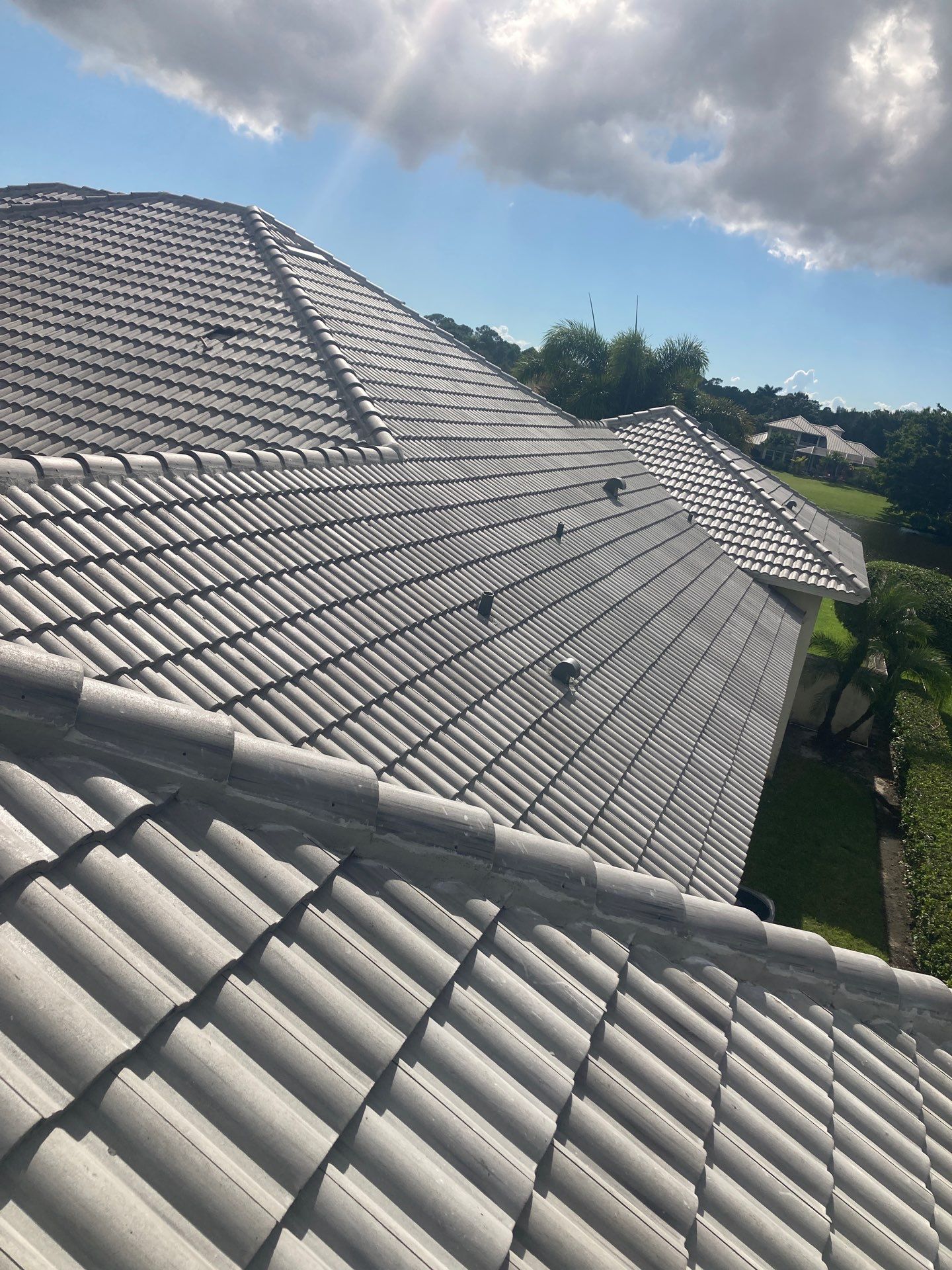
Clay tile roofs commonly last 50 to 100 years, and concrete tile roofs commonly last 40 to 50 years or more, but the tiles are rarely the part that wears out first. In Florida, the underlayment beneath the tiles typically needs replacement after about 15 to 30 years, depending on the product, the installation, and the heat it has lived through. Flashing, mortar, and ridge and hip caps also tend to need attention before the tiles do. So a tile roof’s real lifespan is better understood as two clocks: a long one for the tile and a shorter one for the waterproofing layers underneath it. Planning for the shorter clock is what lets the tile reach its full life.
Here’s how the two tile types compare, what actually wears out first, and how to tell where your roof stands.
Why “How Long Does a Tile Roof Last?” Has Two Answers
Ask a roofer how long a tile roof lasts and you may hear “50 years,” and also hear “you’ll probably re-do the underlayment at 20.” Both statements are true, and homeowners are often confused by that.
A tile roof is a system. The tiles are the durable outer layer that sheds most of the water, sun, and wind. Underneath them sits the underlayment, the continuous waterproof barrier that does the real work of keeping water out of your home when wind-driven rain gets under the tiles. Tile can outlast that layer by decades.
That’s why you’ll see wide lifespan numbers online. Some are describing the tile itself, and some are describing the roof as a working, waterproof system.
Clay vs. Concrete Tile: How They Compare
| Factor | Clay tile | Concrete tile |
| Typical tile lifespan | 50 to 100 years | 40 to 50+ years |
| How it’s made | Fired clay | Cement, sand, and water, molded and cured |
| Weight | Heavy, but generally lighter than concrete | Heavier per tile |
| Color | Through-body color from the clay; very stable | Surface-applied or integral color; can fade or weather over time |
| Moisture absorption | Low to moderate; glazed types resist more | Higher; can absorb and weather over time |
| Typical upfront cost | Higher | Lower |
| Common look | Classic barrel (Spanish or Mission) profiles | Barrel, flat, and slate or shake-look profiles |
| Biggest long-term wear item | Cracking from impact; underlayment beneath | Surface weathering and color fade; underlayment beneath |
Clay tends to hold its color and shape for a very long time, which is why very old clay roofs still exist around the world. It is also more brittle, so impact from a fallen branch or foot traffic can crack individual tiles.
Concrete is more affordable and available in many profiles, but it’s more porous. Over decades it can absorb moisture, collect algae, and lose some surface color. It’s still a long-lived roof, but the typical expected life is shorter than clay’s.
Neither material is “better” in every case. The right choice depends on your home’s structure, your budget, the look you want, and the level of maintenance you’re comfortable with. Your roof framing also matters, because both are heavy and the structure must be able to carry the load.
What Wears Out First on a Tile Roof
On most Florida tile roofs, these items reach the end of their useful life well before the tile does:
1. The Underlayment (Roughly 15 to 30 Years)
This is the big one. Underlayment sits under the tiles in a hot, humid, UV-heavy environment, trapped between the tile and the deck. Traditional felt-based products tend to break down faster; modern synthetic and self-adhered products generally last longer. When underlayment fails, you can have a roof with tiles that look perfect and a waterproofing layer that no longer works. Leaks that show up with no visible tile damage often trace back here. We cover this in more detail in our guide to why roof underlayment matters in Florida.
2. Flashing
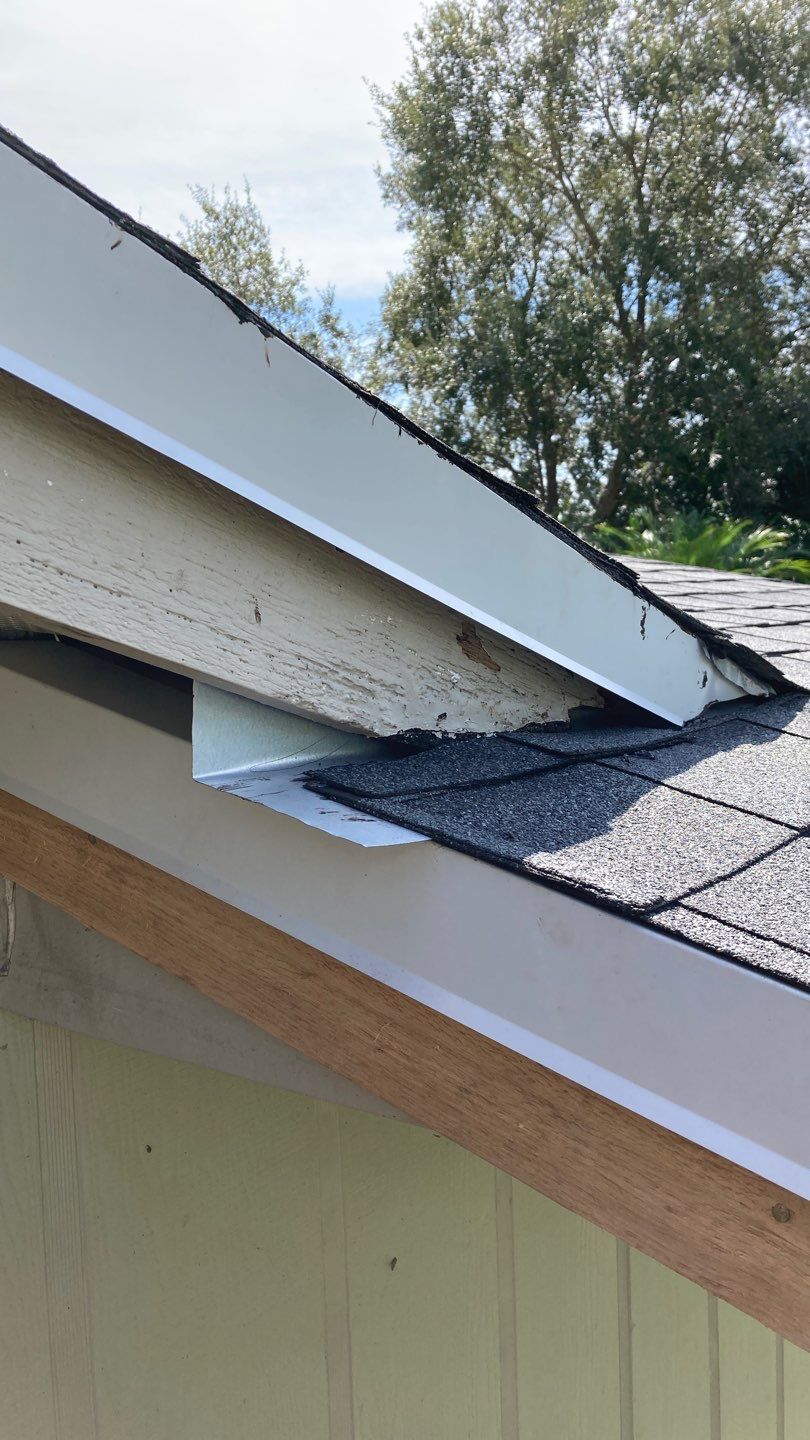
Metal flashing around walls, chimneys, skylights, valleys, and penetrations can corrode, shift, or separate over the years, especially in coastal air. Flashing problems are one of the most common sources of tile roof leaks.
3. Mortar, Foam, and Ridge and Hip Caps
Ridge and hip caps are usually set with mortar or an approved adhesive foam. Mortar can crack and crumble over time, and when it does, caps can loosen or slip. These are usually repair items rather than replacement items, but they’re important to catch early.
4. Individual Tiles
Individual tiles can crack from impact or storm debris, or slip out of position. A few damaged tiles are usually a simple repair. See when a few cracked tiles are (and aren’t) a bigger problem.
5. Fasteners and Attachment
Tile roofs in Florida must be attached to meet wind-resistance requirements. The adhesives, mechanical fasteners, and clips holding tiles in place can age, and attachment details become especially important after a major storm.
What Shortens a Florida Tile Roof’s Life
- Hurricane and storm exposure. Wind uplift and flying debris stress tile attachment and crack individual tiles.
- Heat and UV. Sustained heat accelerates underlayment aging and can make mortar and sealants brittle.
- Salt air. Coastal environments speed up corrosion of flashing and metal fasteners.
- Poor ventilation. A hot, humid attic shortens the life of the deck and underlayment below the tile.
- Foot traffic. Walking on tile, especially by non-specialists, cracks tiles. Anyone who needs to be on a tile roof should know how to move across it.
- Deferred maintenance. Small repairs left alone let water reach the underlayment and deck.
- Algae, moss, and debris. These hold moisture against the tile and can speed up surface wear, especially on concrete.
How to Tell Where Your Tile Roof Stands
Most roofs fall into one of three situations:
Roof under about 15 years old. Underlayment is usually still performing. Focus on periodic inspections, keeping debris clear, and repairing any cracked or slipped tiles promptly.
Roof between about 15 and 30 years old. This is the decision window. The tiles may look excellent, but the underlayment may be nearing the end of its life. An inspection that looks beneath the surface, including the attic and a check of the flashing, can tell you whether you have years left or whether it’s time to plan.
Roof over 30 years old. The underlayment has most likely been replaced already, or is overdue. If it was never replaced, leaks and hidden deck damage become much more likely, even if the tile still looks good.
Warning signs worth a closer look at any age:
- Water stains on ceilings or walls
- A musty smell or visible moisture in the attic
- Tiles that are loose, shifting, or slipping
- Widespread cracking, not just a few tiles
- Crumbling mortar at the ridge or hips
- Flashing that looks rusted, lifted, or pulled away
Repair, Re-Roof, or Replace? How the Decision Usually Works
For many aging tile roofs, the most cost-effective approach isn’t replacing the tile at all. It’s a tile re-roof: carefully lifting and setting aside the existing tile, replacing the underlayment (and repairing any damaged deck), then reinstalling the tile, with replacements for any that are cracked or broken. This renews the waterproofing layer, which is usually what has actually worn out, while preserving the tile that still has decades of life.
Full tile replacement makes more sense when the tile itself is badly deteriorated, the profile is discontinued and can’t be matched for repairs, or the homeowner wants to switch materials. Whether to re-roof or replace depends on your roof’s condition, so an honest inspection should come before any recommendation.
If you’re weighing tile against another material, our guide to tile roofs vs. metal roofs: a complete cost and longevity breakdown for Florida homeowners covers cost and longevity side by side.
How to Help Your Tile Roof Last as Long as Possible
- Schedule periodic professional inspections, and always after a major storm.
- Repair cracked or slipped tiles promptly, before water reaches the underlayment.
- Keep the roof clear of debris and trim overhanging branches.
- Stay off the tile. Let someone experienced handle any work that requires walking on it.
- Plan for the underlayment. Treat it as a scheduled maintenance item at roughly 15 to 30 years, not as a surprise.
- Keep the attic ventilated so heat and moisture don’t shorten the life of the deck and underlayment.
- Use a contractor who inspects beneath the surface, not only the visible tile.
How Rhino Roofs Approaches Tile Roofs
We’d rather tell you the truth about your roof than sell you a bigger project than you need. When we inspect a tile roof, we look at what’s holding up well, what’s near the end of its life, and what’s simply a repair. That includes the parts you can’t see from the ground. You’ll get a plain-language explanation of what we found and your options, including the honest answer when nothing needs to be done right now.
Frequently Asked Questions
How long do tile roofs last in Florida?
Clay tile commonly lasts 50 to 100 years and concrete tile commonly lasts 40 to 50 years or more, but the underlayment beneath the tiles typically needs replacement much sooner, often between about 15 and 30 years, depending on the product, installation, and conditions.
Which lasts longer, clay or concrete tile?
Clay generally lasts longer, often 50 to 100 years, because it holds its color and shape well and absorbs little moisture. Concrete is more affordable and still long-lived, typically 40 to 50 years or more, but it’s more porous and can weather and fade over time.
What wears out first on a tile roof?
Usually the underlayment, followed by flashing, mortar, and ridge and hip caps. The tiles themselves often outlast all of these, which is why a tile roof can look fine on the surface while its waterproofing layer is failing.
How often does a tile roof need to be replaced?
The tile itself may not need replacement for decades. What often needs renewing is the underlayment, through a tile re-roof, in which the tile is removed, the underlayment and any damaged deck are replaced, and the tile is reinstalled.
Can a tile roof leak even if the tiles look fine?
Yes. Tiles are the outer layer, and the underlayment beneath is the main waterproofing barrier. If the underlayment or flashing has failed, water can get in even when the tiles look intact.
Can you replace just the underlayment on a tile roof?
Yes, but it requires lifting and resetting the tile, since the underlayment sits beneath it. This is typically called a tile re-roof, and it can be a cost-effective way to extend the life of a roof whose tiles are still in good shape.
Is it OK to walk on a tile roof?
It’s best to avoid it. Tiles can crack under foot traffic, even when they’re otherwise in good condition. If you need an inspection, a ground-level check or a professional who knows how to move across tile is safer.
Do tile roofs hold up in hurricanes?
They can, when properly installed and attached to meet Florida’s wind-resistance requirements, but performance depends on installation quality, attachment, and condition. Damaged or loosely attached tiles can become debris, so inspection after a major storm is worth doing.