

In Florida, a roof isn’t just a construction project. It’s the thing standing between your family and 150-mile-per-hour winds, three-inch rain events, and years of relentless heat pressing down from above. Most homeowners never think about that until the roof fails — and by then, the difference between “done” and “done right” becomes painfully clear.
We’re not here to scare you. We’re here to help you understand what you’re actually paying for — and what to look for before you sign anything.
What “Done” Looks Like
A roof gets marked “done” when the crew packs up and leaves. The shingles are laid. The old material is hauled away. On the surface, everything looks fine.
But roofing isn’t a surface trade. The work that matters most happens in the layers you’ll never see again once the job is complete — the deck, the underlayment, the flashing, the fasteners, the ventilation. A crew that’s moving fast, cutting corners, or simply not following manufacturer specifications can produce a roof that looks finished and fails within a few years.
In Florida, that failure doesn’t wait long to show up. Our climate doesn’t give a poorly installed roof time to hide.
What “Done Right” Actually Means
Done right is slower. More deliberate. It involves decisions most homeowners never hear about — because a good crew makes them quietly, without being asked.
The deck comes first
Before a single shingle goes down, the roof deck needs to be inspected. Rotted, soft, or water-damaged decking is a structural problem that no amount of new material on top can solve. A roof done right doesn’t skip this step, even when it adds time and cost to the job.
Underlayment isn’t optional
In Florida, the underlayment — the layer between your deck and your shingles — is your last line of defense when wind-driven rain finds a gap. Done right means the right underlayment for our climate: properly lapped, correctly fastened, and sealed at every penetration point.
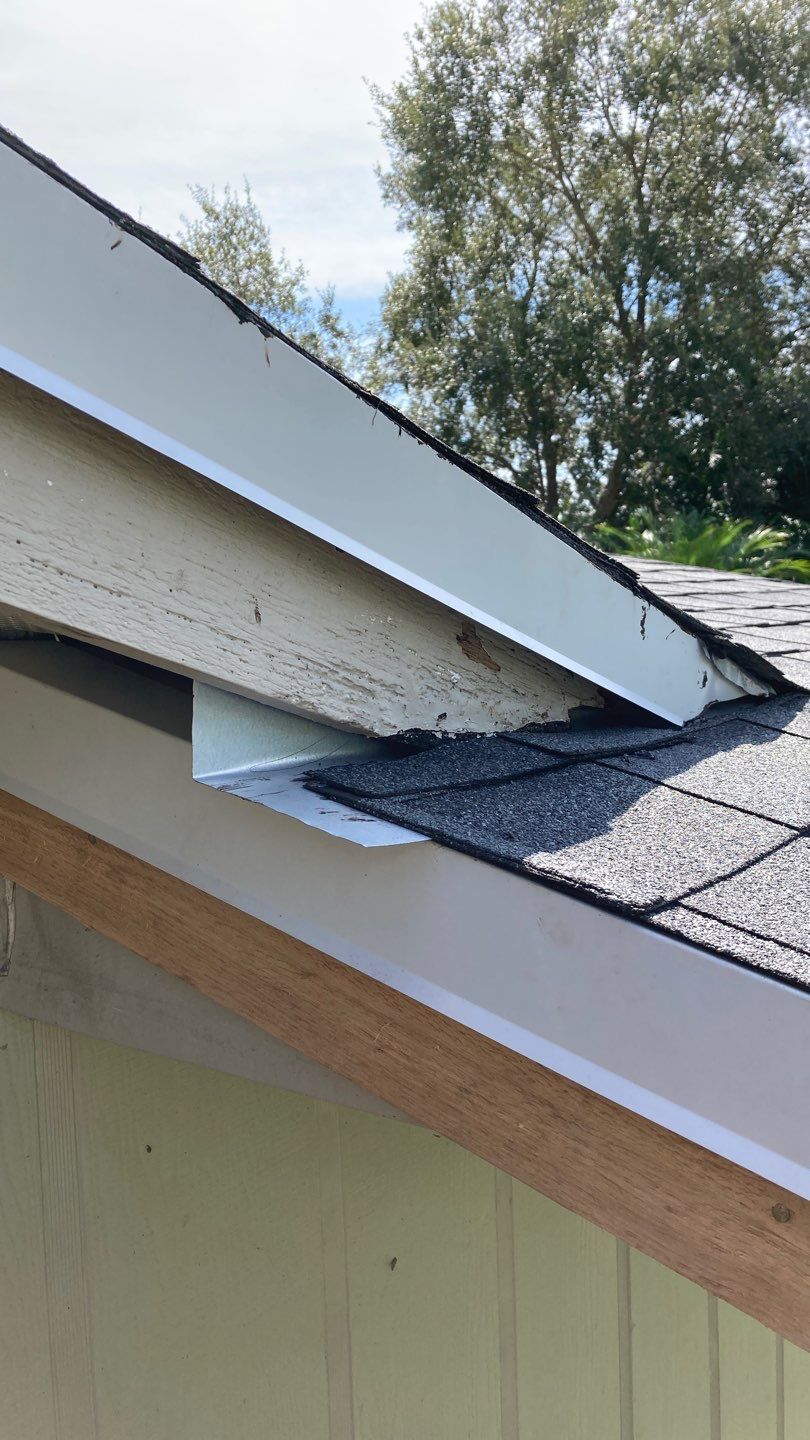
Flashing is where roofs actually fail
The shingles get the attention. The flashing does the work. Anywhere your roof meets a wall, a chimney, a vent, or a valley is a potential water entry point. Done right means every piece of flashing is seated correctly, sealed properly, and not relying on caulk alone to do a job that metal geometry should handle.
Fasteners matter more than you think
Florida’s building code specifies nail patterns and fastener types for a reason. The number of nails per shingle, the angle they’re driven, the depth they’re set — all of it affects how your roof performs in a hurricane. A crew doing things right follows the spec. A crew moving fast often doesn’t.
Ventilation is part of the system
A roof that breathes correctly lasts longer, keeps your home cooler, and resists moisture buildup in the attic. Improper ventilation is one of the most common causes of premature shingle failure in Florida — and one of the most commonly skipped checklist items when a crew is in a hurry.
The Florida Factor
Florida isn’t a forgiving environment for roofing mistakes.
Hurricane season runs June through November. UV intensity here degrades materials faster than in most of the country. Humidity finds every unsealed gap. And when a storm does come through, your roof is the first thing tested — often within the first few years of a new installation.
That’s why the difference between done and done right isn’t abstract. It’s the difference between a roof that holds in a Category 2 and one that doesn’t. It’s the difference between a one-time investment and a recurring repair bill. It’s the difference between sleeping soundly when the rain starts and wondering what you’ll find in the morning.
What to Ask Before the Crew Starts
You don’t need to be a roofing expert to protect yourself. You just need to ask a few questions upfront:
Will you inspect the deck before installation? If a contractor doesn’t inspect the deck before laying new material, that’s a flag.
What underlayment are you using, and why? A contractor who can answer this with confidence — and explain why that product is right for your area — knows what they’re doing.
How do you handle flashing at the transitions? This is where most roofs eventually fail. The answer should be detailed, not vague.
What’s your nail pattern, and does it meet Florida building code? In a high-wind zone, this isn’t a technicality. It’s structural.
Who inspects the work before you leave? A crew that does a final walkthrough, not just a cleanup, is a crew that takes accountability seriously.
A contractor who welcomes these questions is one you can trust. A contractor who hedges, rushes, or makes you feel like you’re being difficult is showing you something important.
The Rhino Standard
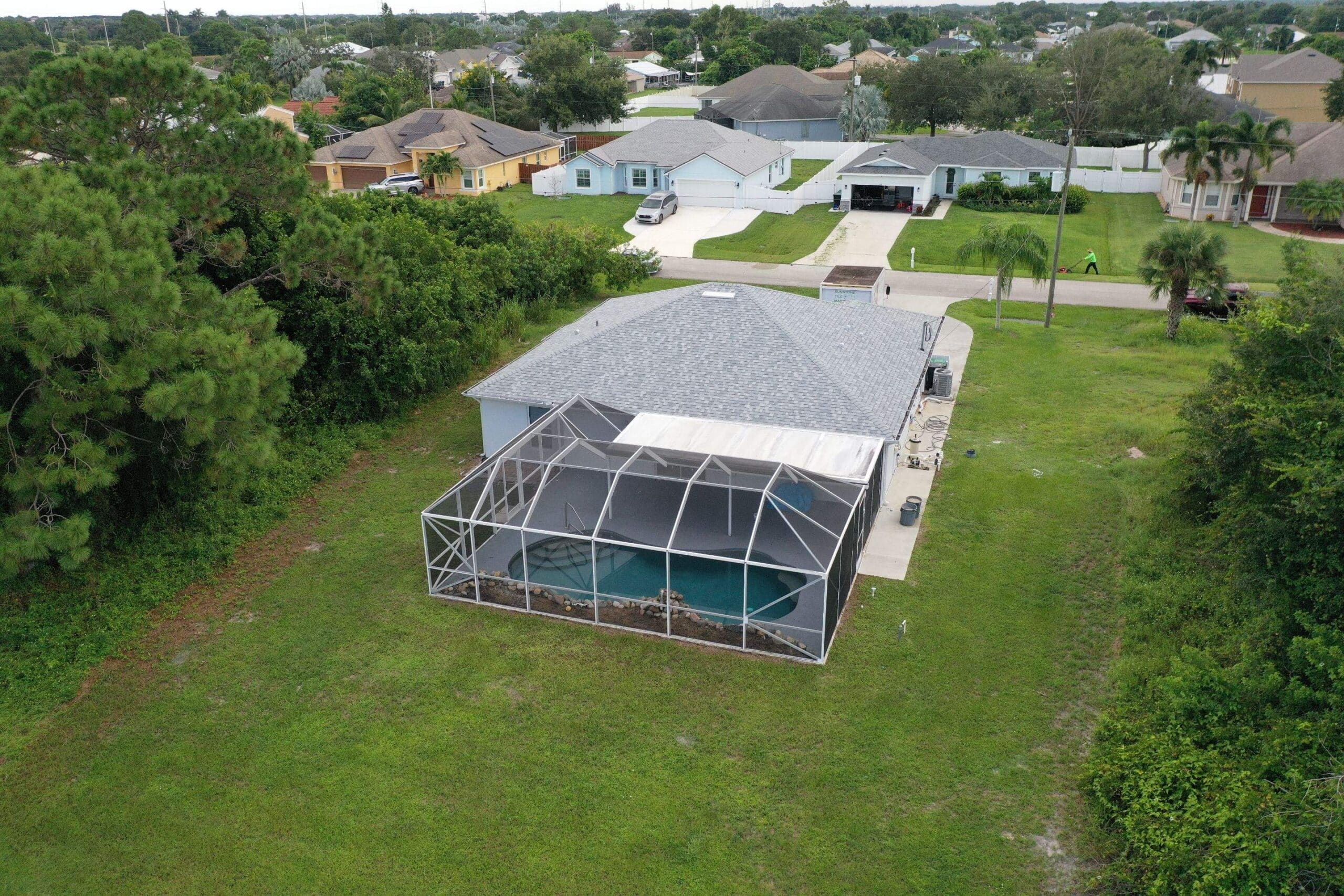
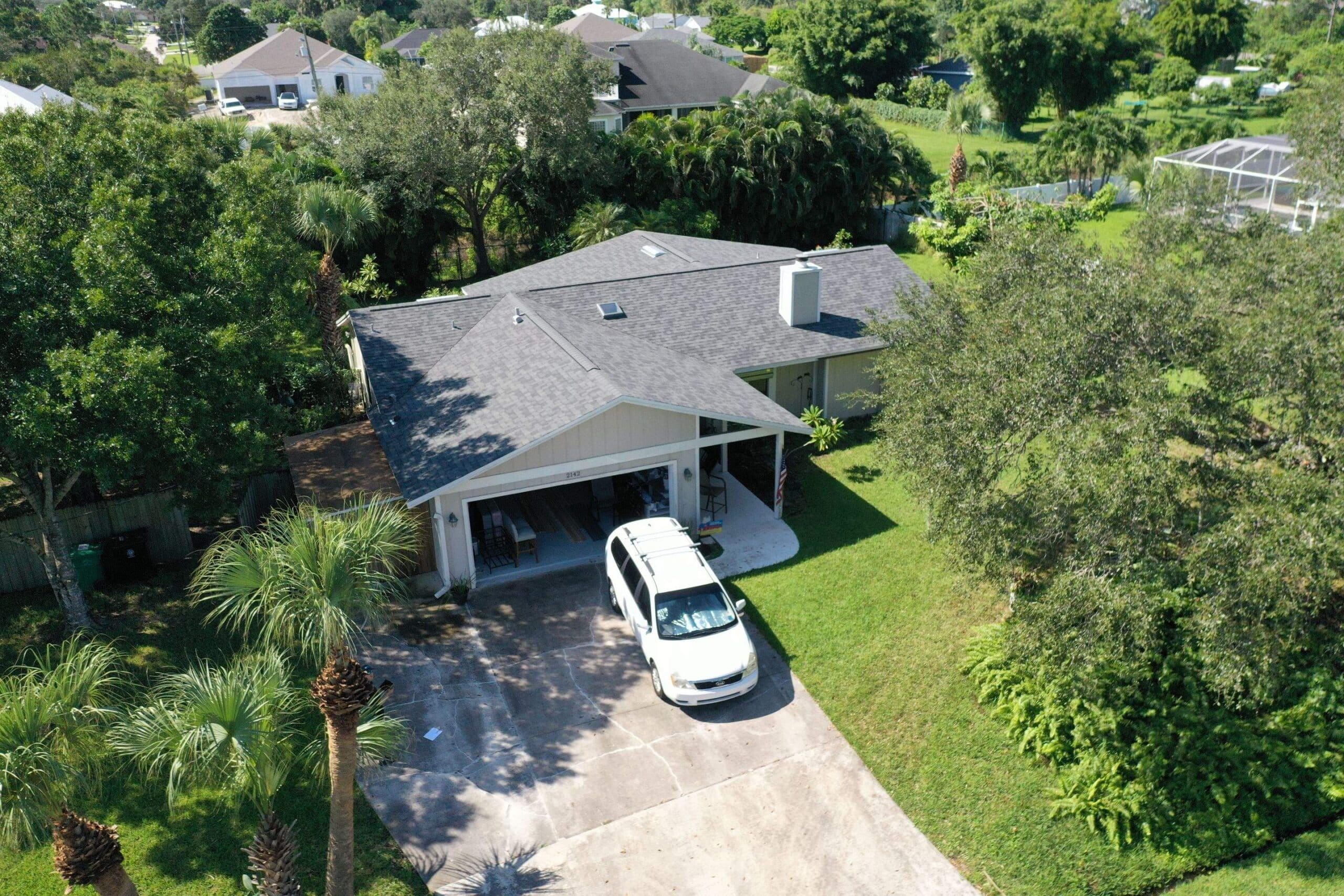
At Rhino Roofs, we work in Treasure Coast and Palm Beach County — which means we know exactly what Florida asks of a roof. We’ve seen what happens when corners get cut. We’ve re-roofed homes where the first crew marked the job done without doing it right.
Our process is built around accountability: deck inspection before installation, materials specified for Florida’s climate, flashing done to code, and a final walkthrough before we consider any job complete. We’d rather take an extra day than hand you a roof that leaves anything to chance.
If you want to see what that looks like in practice, take a look at our completed projects or read through our homeowner FAQs — we’ve tried to answer every question we’ve ever been asked, including the ones people don’t know to ask yet.
Frequently Asked Questions
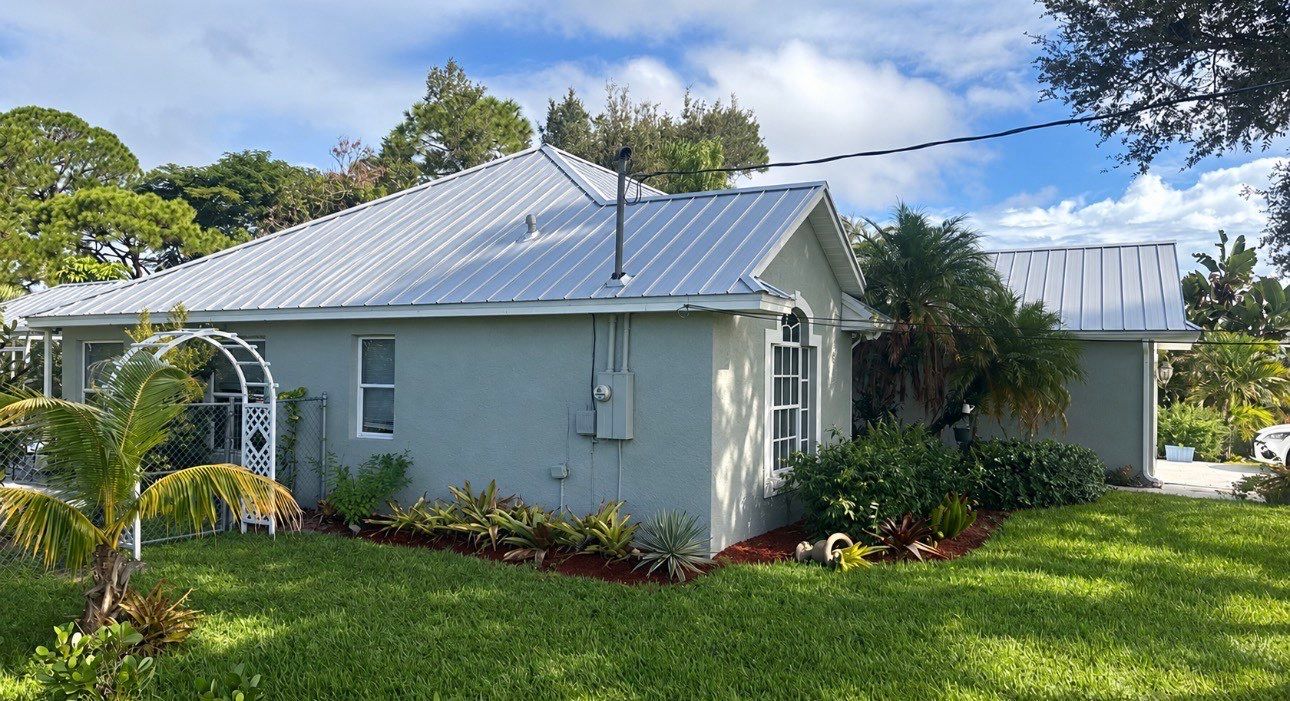
How long should a new roof last in Florida? A properly installed asphalt shingle roof in Florida typically lasts 15–25 years, depending on material grade and maintenance. Metal roofs can last 40–70 years. Climate, installation quality, and ventilation all significantly affect lifespan.
What’s the most common reason Florida roofs fail early? Improper installation — particularly flashing failures, inadequate underlayment, and incorrect fastener patterns — accounts for a large share of premature roof failures. Material defects are far less common than installation errors.
Do I need to be home during the roof installation? You don’t need to be present for the installation itself, but we recommend being available at the start of the job for any questions about the deck or existing conditions, and at the end for the walkthrough. If you can’t be there, ask for photos and a written summary of anything found.
What should I look for in the first year after a new roof is installed? Watch for any staining on interior ceilings, especially after heavy rain. Check your attic for any signs of moisture. If you notice anything within the first year, contact your contractor immediately — a quality installation should never produce leaks on a new roof.
How do I know if my existing roof needs replacement vs. repair? If your roof is under 15 years old and the damage is localized, repair is often the right call. If it’s approaching the end of its expected lifespan, has had multiple leaks, or shows widespread granule loss or structural deck damage, replacement is typically more cost-effective. Our team can walk you through both options honestly — there’s no pressure either way.
When you’re ready to talk about your roof — whether it’s a replacement, a repair, or just a second opinion on work already done — we’re here. No pressure, no rush. Just a straight conversation about what your home actually needs.
Get an Instant Roof Quote or call us at (772) 446-1139. We’ll take it from there.